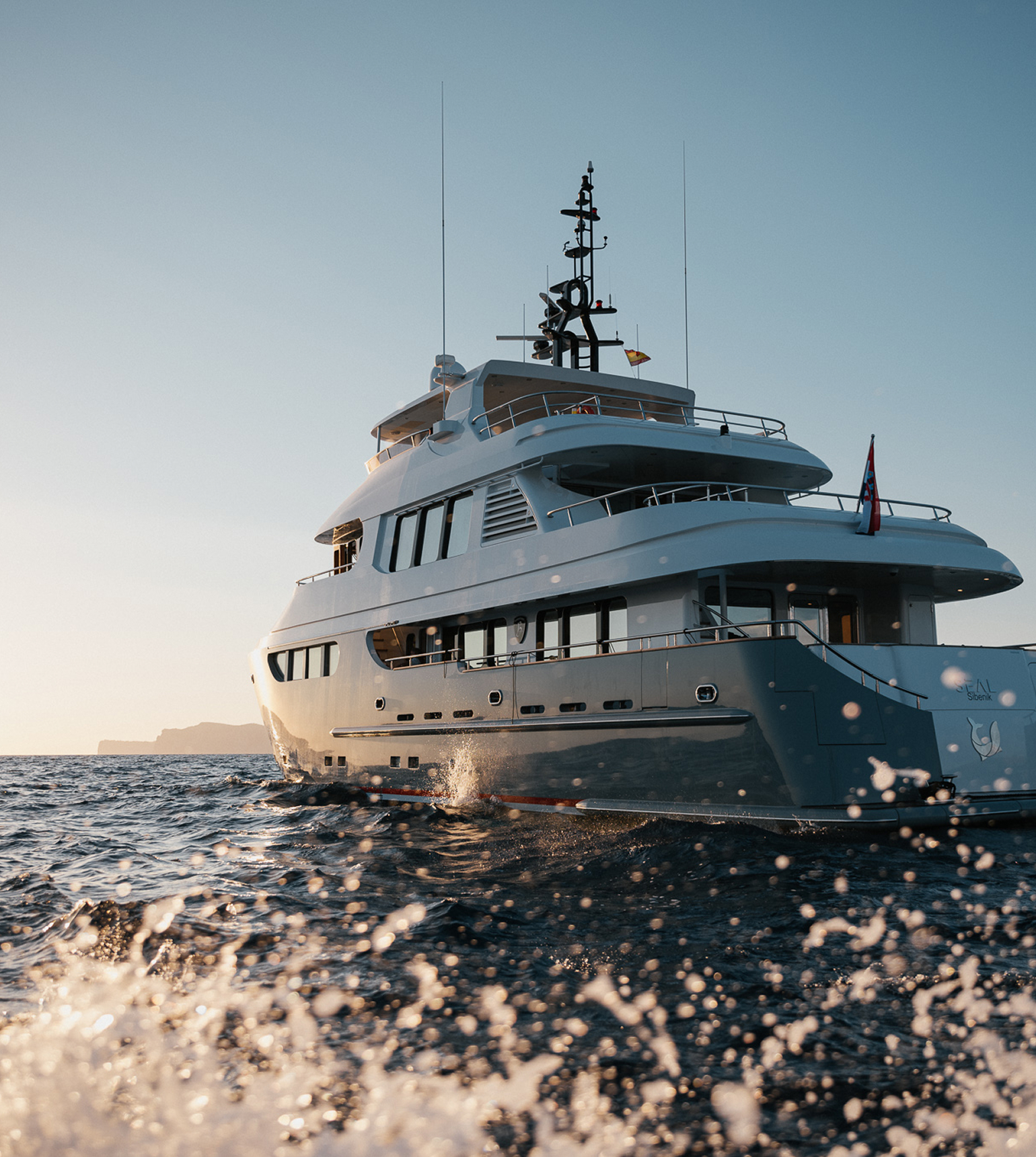
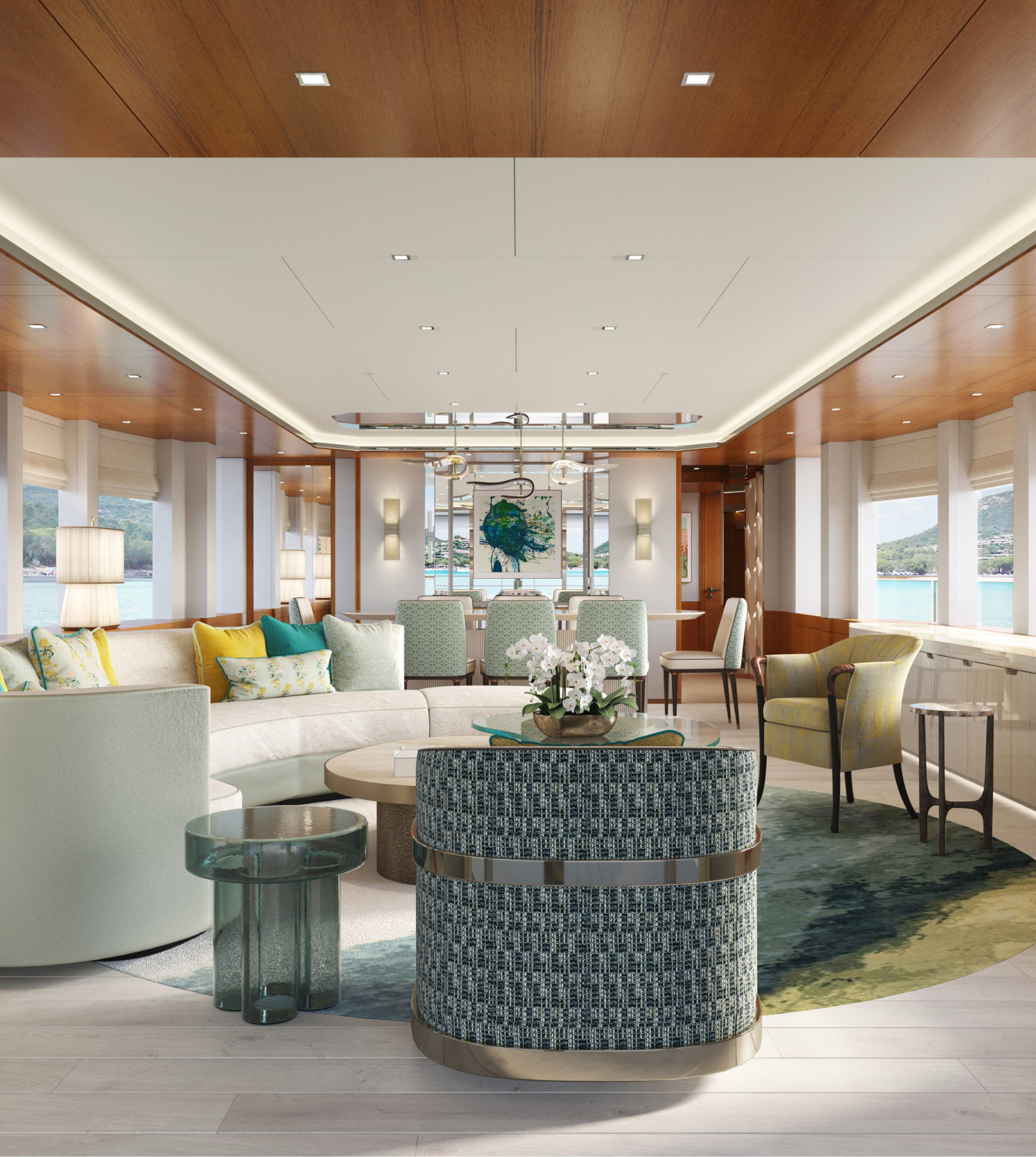


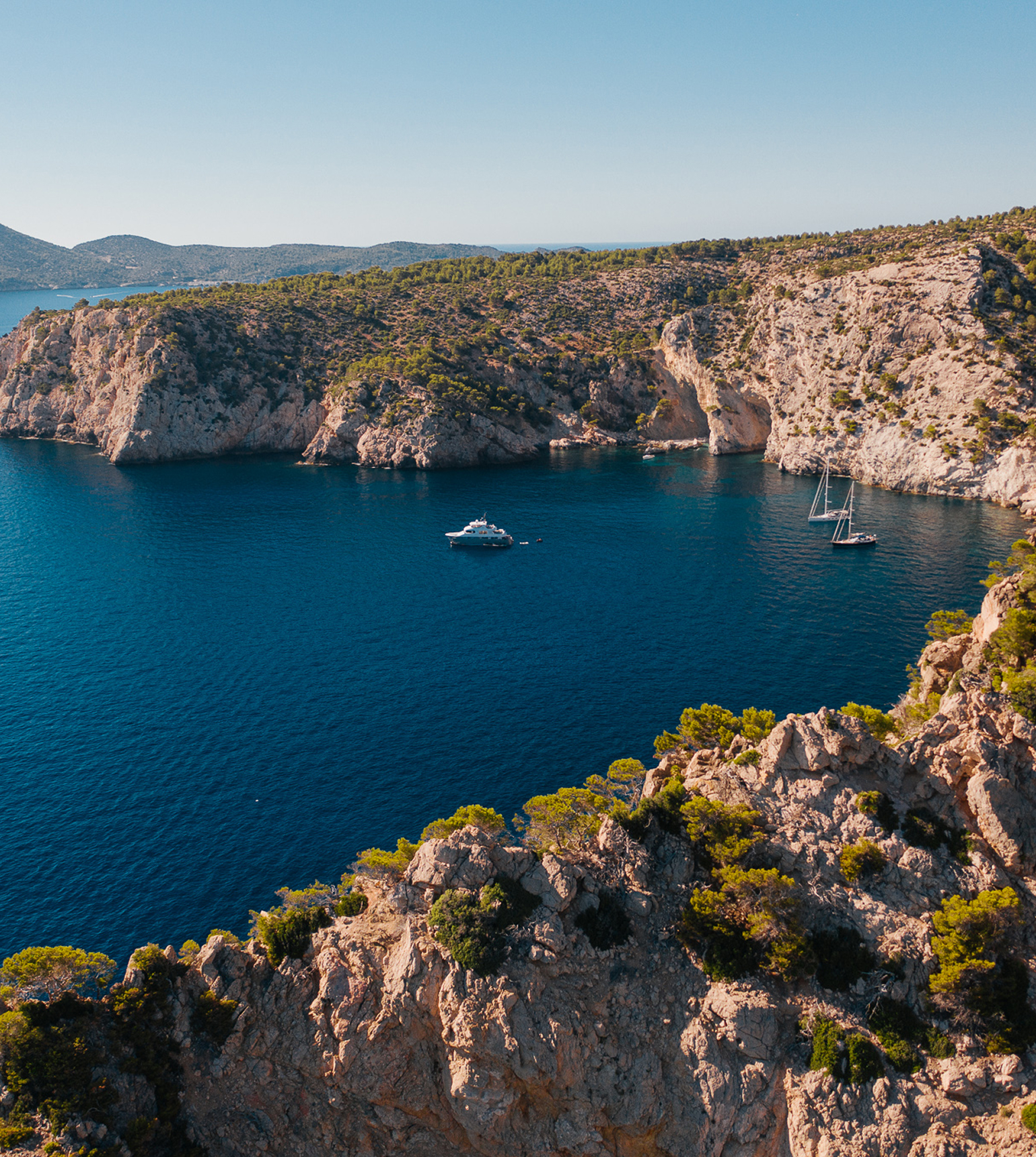


Turkey is the only place in the Mediterranean where you can anchor beneath a 2,400-year-old Lycian rock tomb in the morning, swim in waters where the Mediterranean meets the Aegean by lunch, and watch the sun set over Greek islands visible from the Turkish mainland before dinner. For those seeking luxury yacht charter in Turkey, no other Eastern Mediterranean nation offers the same combination of accessible ancient sites, dramatic coastal geography, and value for money within such an established cruising infrastructure.
The Turquoise Coast, stretching from Bodrum to Antalya, forms the natural centre of Turkish charter. Göcek, positioned at the head of a bay dotted with twelve islands, functions as the country's de facto charter capital, purpose-built marinas, provisioning infrastructure, and some of the calmest anchorages in the Eastern Mediterranean. Fethiye delivers proximity to both the Greek Dodecanese and the Lycian ruins scattered along Turkey's southwestern peninsula. Bodrum, where the Aegean meets the Mediterranean, combines serious sailing conditions with a thriving cultural scene. Marmaris, further east, offers access to the Datça and Bozburun peninsulas, where pine forests meet turquoise water and development remains deliberately limited.
What distinguishes Turkey from the Western Mediterranean is the juxtaposition of scale and intimacy. The coastline stretches over 8,000 kilometres, yet the prime cruising grounds between Bodrum and Kaş can be navigated comfortably within a week. Gulet culture, traditional wooden motor-sailers built in the boatyards of Bodrum and Marmaris — remains central to the Turkish charter experience. Ancient ruins are not preserved behind museum glass; they are reached by tender, explored on foot, and often entirely yours for the afternoon.
Enquire about Turkey →


3 reasons Turkey
belongs on your charter list
Ancient ruins you can reach by tender
Turkey's relationship with its past is not curatorial. Lycian rock tombs, carved into cliffsides 2,400 years ago, overlook anchorages used by modern yachts. The sunken city of Kekova, submerged by earthquakes in the 2nd century, remains visible through the water, you can tender over Byzantine staircases and Lycian house foundations still intact beneath the surface. Knidos, at the tip of the Datça Peninsula, was one of antiquity's great port cities; the ancient harbour is now a sheltered anchorage, the amphitheatre a fifteen-minute walk uphill. These sites are not reconstructed or cordoned off. They exist in situ, accessible, and largely unvisited outside July and August. For guests who measure a charter by what they discover rather than what they are shown, Turkey offers a density of history matched only by Greece.
The geography that invented the word 'turquoise'
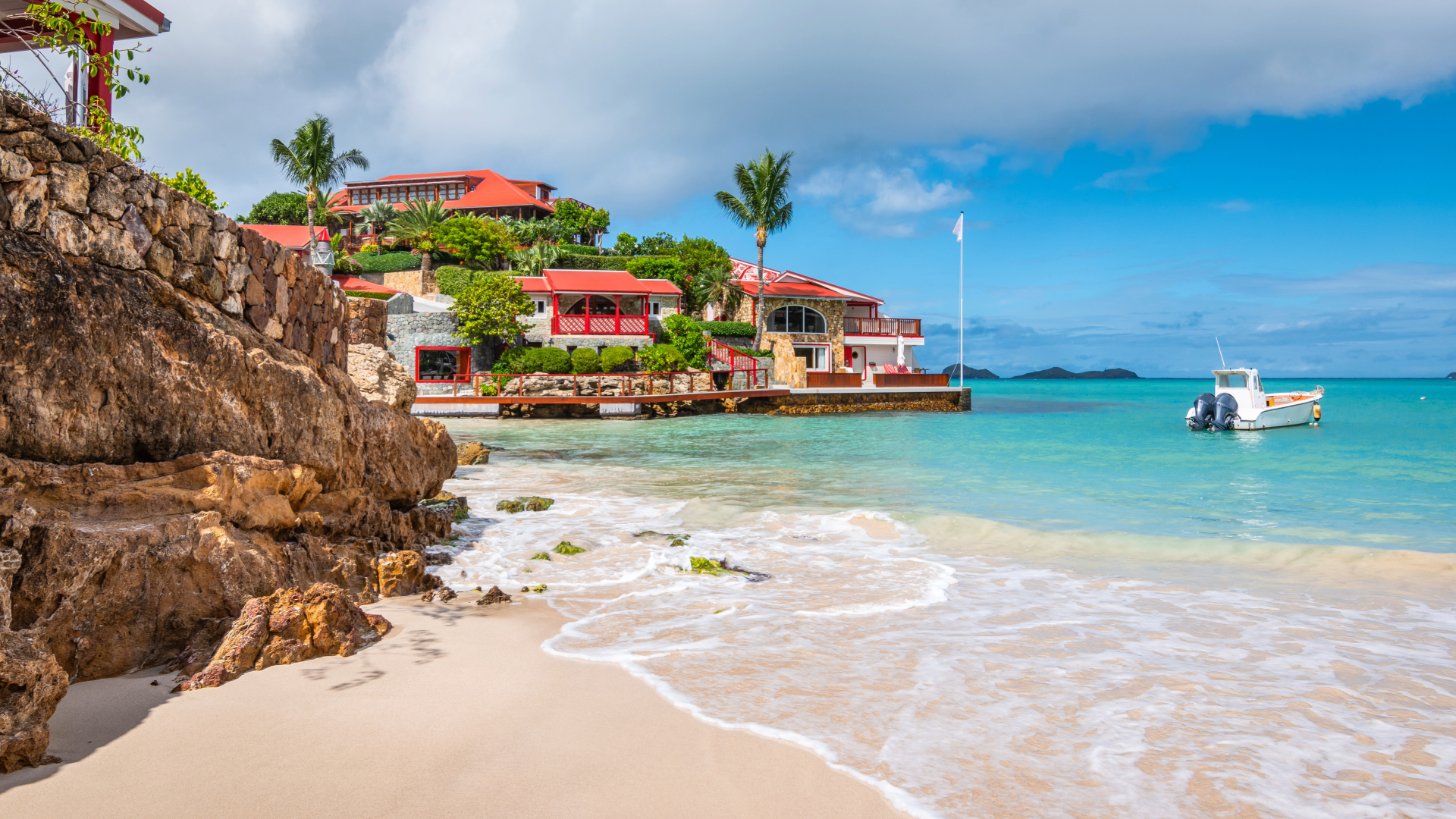
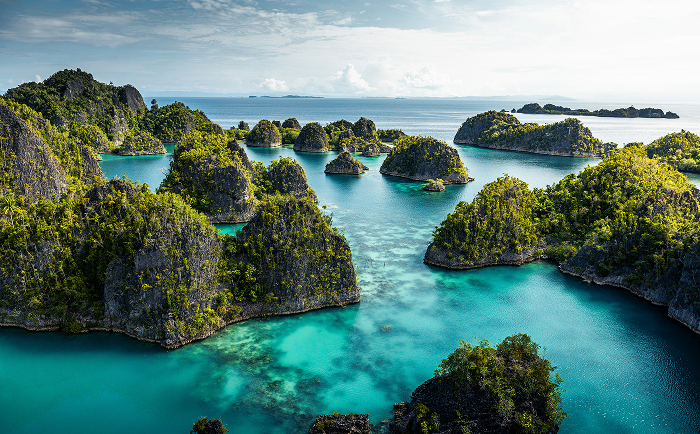
The Turkish coast earned its name not through marketing but through optics. The limestone bedrock that forms much of the southwestern shoreline reflects light in a way that produces water colour unlike anywhere else in the Mediterranean, not the deep navy of the open Aegean, but a translucent, mineral-rich blue-green that shifts with depth and time of day. Ölüdeniz, the "Dead Sea" near Fethiye, is famous for this effect. Butterfly Valley, accessible only by boat, brings near-vertical cliffs and a narrow gorge where fresh water meets the sea. The Twelve Islands around Göcek, Tersane, Domuz, Yassıca, offer protected bays and water clarity that makes anchoring in six metres feel like floating in three. This is not a coastline shaped by beaches. It is defined by coves, inlets, and dramatic relief where mountains meet the water.
Value without compromise
Turkey remains one of the few established Mediterranean charter destinations where pricing has not inflated to match demand. Marina fees, provisioning costs, and onboard spending are materially lower than equivalent experiences in France, Italy, or Spain, not because standards are lower, but because the Turkish Lira and local cost base allow for value that has become rare elsewhere. A week's charter departing Göcek, with fuel, provisions, and APA, will cost 30-40% less than a comparable itinerary in the Côte d'Azur. The infrastructure. marinas, boatyards, crew training, is as professional as anywhere in the Mediterranean. The cruising grounds are as varied. The weather is as reliable. For guests seeking a charter experience that prioritises quality over fashionability, Turkey offers something increasingly difficult to find: genuine value in a destination that takes yachting seriously.
Selected Yachts for Turkey Charter
View full fleet →


The places that
define Turkey


Planning your Turkey voyage
Peak Season
Water temperatures peak at 28°C, marinas and anchorages fill quickly, and charter rates reach their highest. Göcek and Bodrum see the largest concentrations of yachts. Book early.
Shoulder Season
The ideal window for Turkish charter. Air and water temperatures remain warm, the Meltemi winds are less aggressive, and anchorages clear out after mid-September. Best value and conditions combined.
Low Season
Most charter operations close for winter. Water temperature drops significantly. Coastal towns quiet down, though Bodrum and Marmaris remain accessible. Limited marina services outside the main bases.

What our charter specialists say about Turkey
Is Turkey a good destination for a luxury yacht charter?
Turkey is one of the most rewarding yacht charter destinations in the Mediterranean, and one that consistently surprises guests who arrive expecting something lesser than Greece or Croatia. The Turquoise Coast delivers vast, pine-fringed bays, warm and swimmable waters well into October, and anchorages that offer something increasingly rare in high season: genuine space. Infrastructure is modern and considered, with marinas such as Yalıkavak and D-Marin Göcek setting a compelling new standard for design and service in the region. For guests who have done Greece and Croatia and are ready for something that feels a little less choreographed, Turkey tends to be the answer.
Which area of Turkey is best for a yacht charter?
Turkey's coastline is long, and each stretch of it has a character entirely its own. Bodrum combines sophistication with history, offering access to refined beach clubs, exceptional dining and easy crossings to the Greek islands of the Dodecanese. Göcek suits guests seeking calm waters and shorter cruising distances — its protected bays make it particularly well matched to families or those chartering for the first time. The Marmaris coast and Datça Peninsula offer something more rugged and expansive: dramatic scenery, quieter anchorages, and longer passages for guests who genuinely enjoy time at sea. Further east, the Lycian Coast rewards the curious with ancient ruins accessible directly from the water and a sense of discovery that is harder to find in the more established charter areas. Our team will help you identify which part of Turkey fits the kind of trip you are looking or better yet, select more than one to visit on your trip.
Should I charter a gulet or a motor yacht in Turkey?
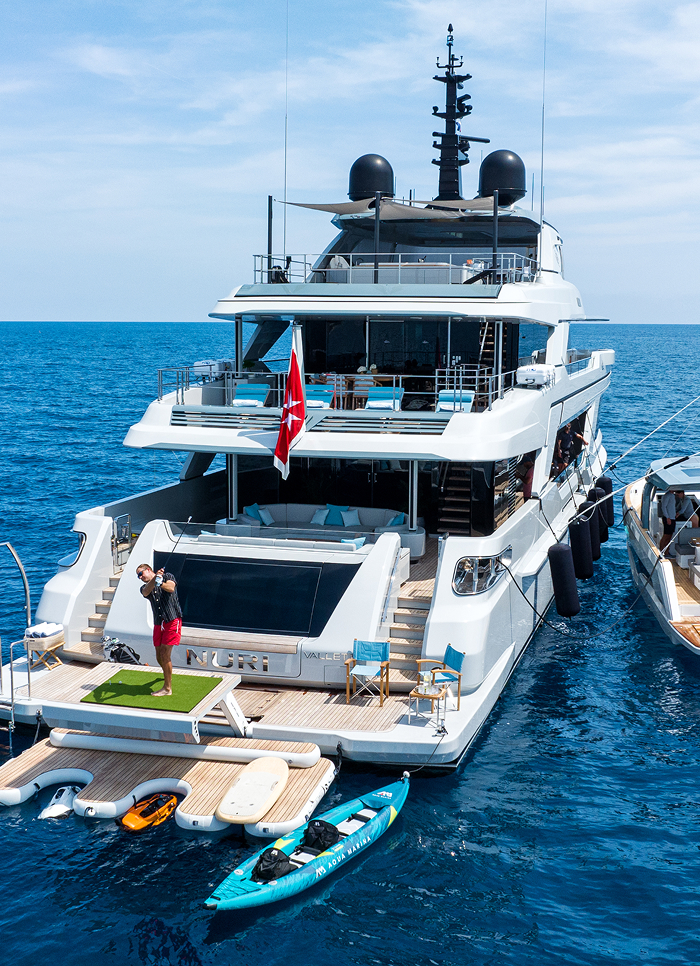
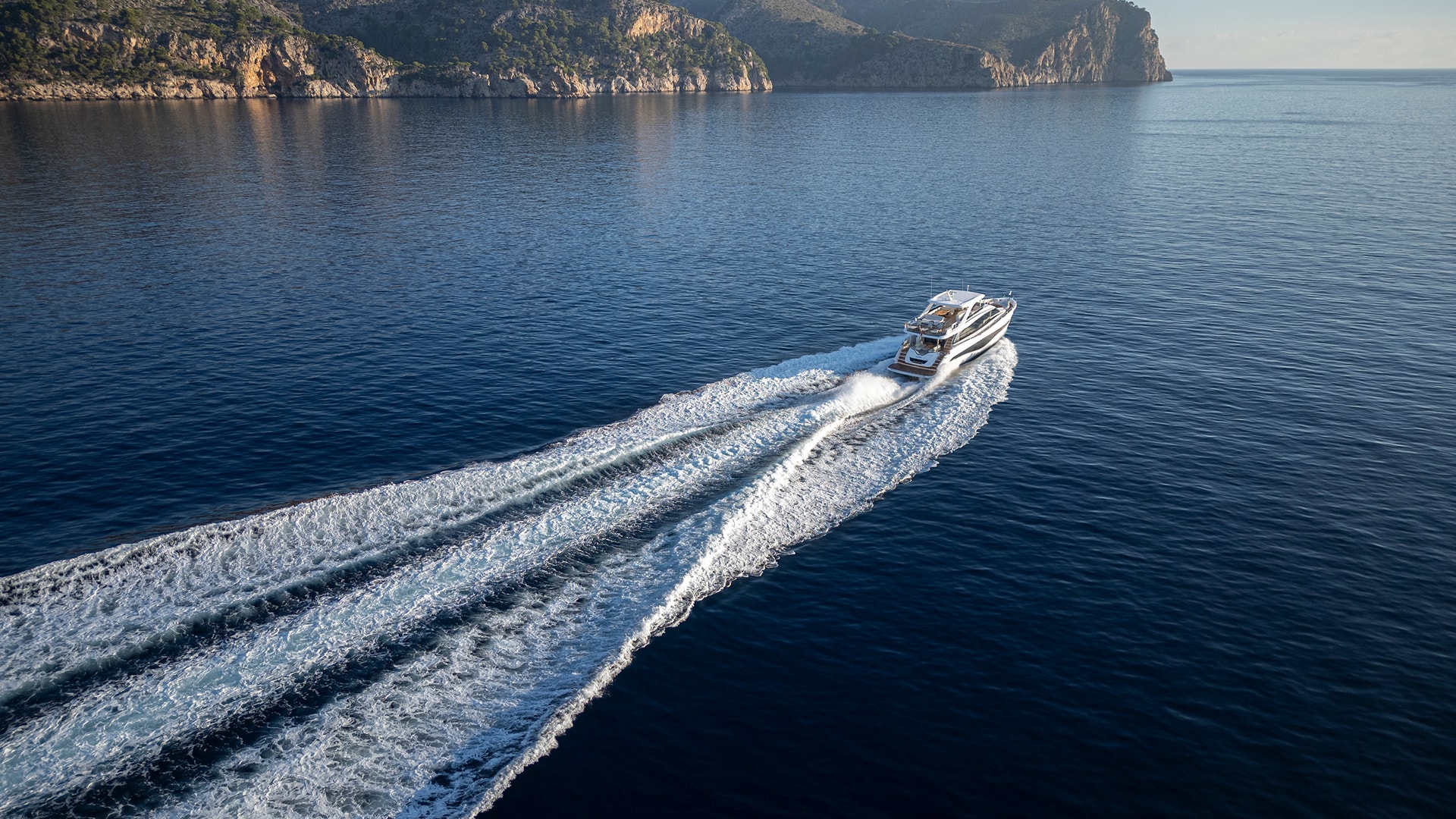
Turkey is the spiritual home of the gulet — handcrafted wooden sailing yachts originally built for coastal cruising along this very stretch of coast. At the luxury end of the market, modern gulets combine traditional craftsmanship with contemporary interiors, generous deck space and an unhurried pace that suits guests who want to live outdoors, eat well and let the days unfold at their own rhythm. Motor yachts offer greater speed and range, which matters particularly for guests wishing to combine Turkey with a Greek island leg or cover more ground within a single week. The honest answer is that both can deliver exceptional experiences, the right choice depends on your group, your pace, and what you want the days to feel like. Our team will guide you through the decision.
What are the sailing conditions like in Turkey?
Turkey generally offers calmer, more predictable conditions than the central Aegean. The coastline is deeply indented, creating sheltered cruising routes that limit open-sea exposure, and while winds are present they are rarely as persistent or forceful as the meltemi that defines sailing further west. For guests who prioritise comfort over passage-making — families, mixed-generation groups, or those for whom the destination matters more than the journey — Turkey is often the more forgiving choice without ever feeling like a compromise. Our captains know these waters intimately and plan every route with conditions and comfort in mind.
Can I combine Turkey and Greece on a single charter?
Yes, and it is one of the most compelling itineraries in the Eastern Mediterranean. From Bodrum, crossings to Greek islands such as Kos, Leros or Symi are entirely feasible within a single charter week, subject to the usual customs procedures and weather windows. The contrast between the two countries is part of what makes the combination so rewarding: Turkey offers scale, warmth and a depth of hospitality that feels different from anything in Greece, while the Greek islands deliver their own particular magic of whitewashed architecture, island mythology and Aegean light. For charters of ten days or longer, the two combine seamlessly and the transition between them is one of those moments on a charter that guests tend to remember.
Is Turkey suitable for a family yacht charter?
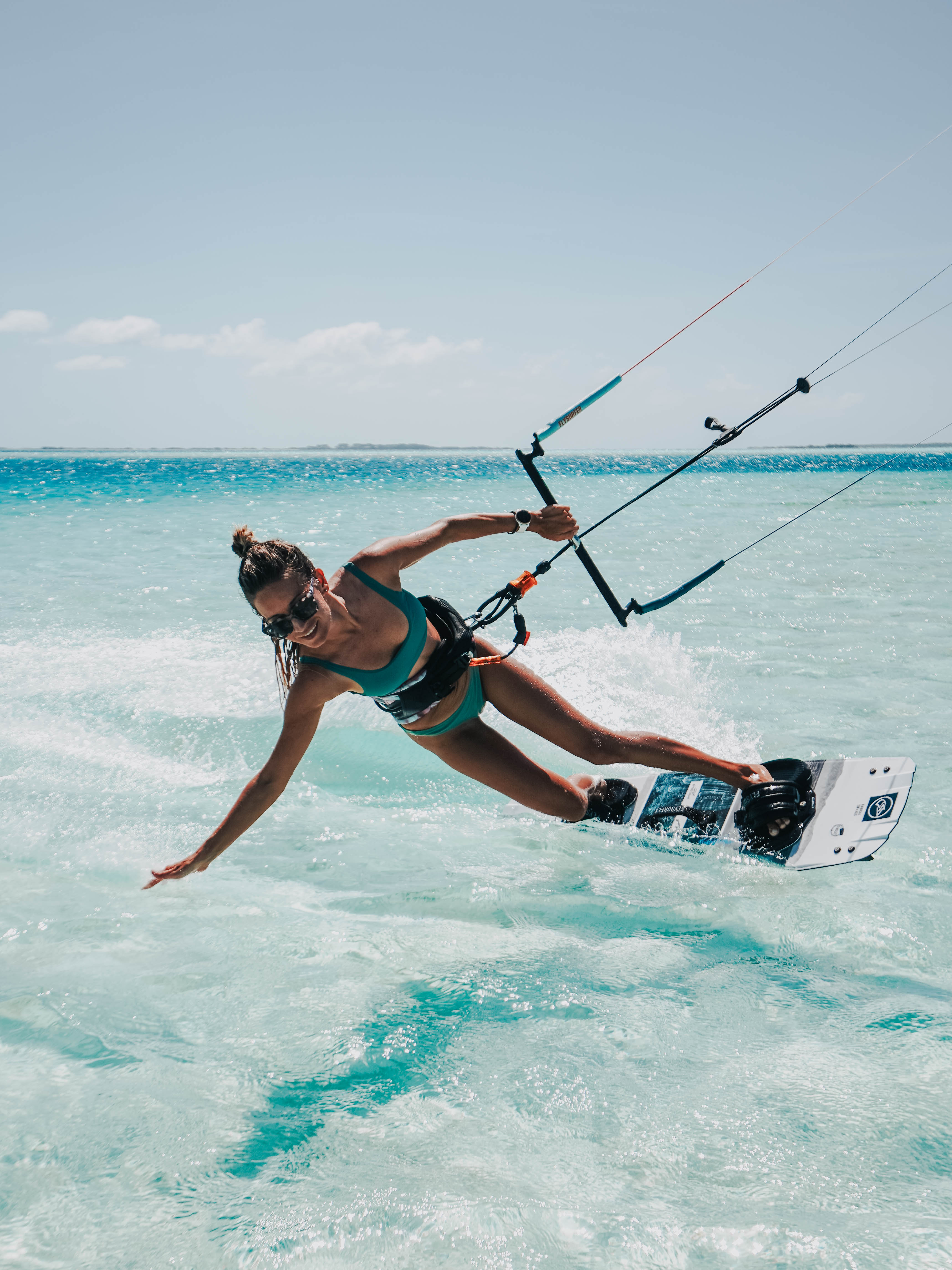
It is exceptionally well suited to it. Protected bays, short cruising distances and warm, swimmable waters create ideal conditions for younger guests, and many anchorages allow for long, unhurried afternoons of swimming, paddleboarding and watersports without heavy marine traffic. Ashore, Turkish hospitality is instinctively family-oriented — generous, attentive and entirely without pretension. The food culture, fresh, varied and built around sharing, tends to suit even the most particular of younger guests. Families who have chartered in Greece or Croatia and found those destinations occasionally stretched at the edges in high season tend to find Turkey considerably more relaxed.