



The Adriatic's best-kept secret
Croatia is the only place in Europe where you can anchor beneath a 2,000-year-old Roman palace in the morning, sail to a national park for lunch, and watch the sun set over medieval city walls before dinner. For those seeking luxury yacht charter in Croatia, no other Adriatic nation offers the same concentration of UNESCO heritage, unspoilt islands, and navigable coastline within such a compact cruising ground.
The Dalmatian Coast and its archipelago form the natural centre of Croatian charter. Over 1,000 islands stretch along 1,100 nautical miles of coastline, yet fewer than 50 are permanently inhabited. Central Dalmatia delivers the country's most recognised names, Split, Hvar, Brač, Korčula, where Venetian architecture meets Adriatic tradition. Southern Dalmatia brings Dubrovnik's fortified grandeur and the quieter, pine-forested islands of Mljet and Lastovo. Northern Dalmatia offers the Kornati archipelago, 140 uninhabited islands forming one of the Mediterranean's most dramatic island clusters.
What distinguishes Croatia from the Western Mediterranean is its combination of accessibility and relative underdevelopment. Michelin-starred dining remains rare, but konoba culture, family-run taverns serving grilled fish, Plavac Mali wine, and olive oil from the hillside above, is everywhere. Marinas are modern and well-equipped, yet many of the best anchorages remain accessible only by tender, with no beach clubs, no reservations, and no one else in the bay.
Enquire about Croatia →


3 reasons Croatia
belongs on your charter list
An archipelago built for exploration, not crowds
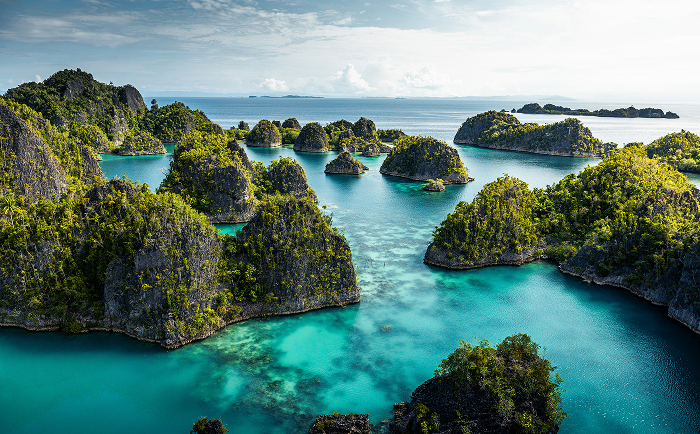
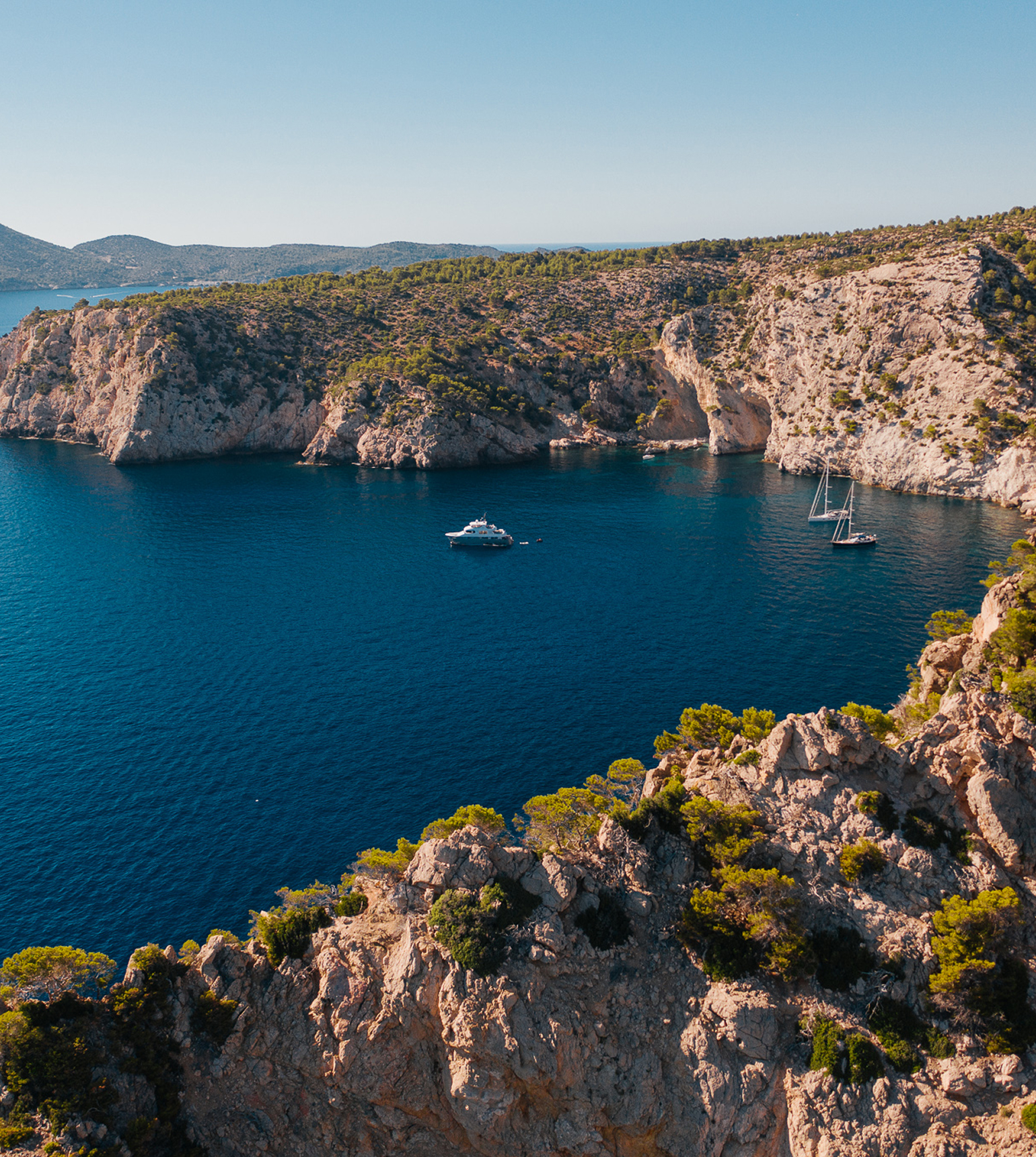
The Croatian islands are not finished. They have not been developed, curated, or optimised for tourism in the way that much of the Western Mediterranean has. Vis, closed to foreigners until 1989, remains one of the least commercialised islands in the Adriatic. Lastovo, protected as a nature park, enforces strict limits on development. Even Hvar, Croatia's best-known island, reveals a different character the moment you leave the town harbour, stone villages, abandoned vineyards, and coves accessible only by sea. The cruising experience here is not about ticking off landmarks. It is about discovering anchorages that are not on the charts, villages where the tavern has no name, and islands where the only sign of human activity is a shepherd's hut on the ridge.
A 2,000-year relationship between stone and sea
Croatia's coastal towns were not built for yachts. They were built by the Romans, expanded by the Venetians, and fortified by the Austrians. Split's Diocletian Palace, constructed in 305 AD, is not a museum, it is the city centre, with konobas, boutiques, and residences occupying what were once imperial apartments. Dubrovnik's city walls, 25 metres high and two kilometres long, enclose a medieval republic that rivalled Venice in wealth and influence. Trogir, Korčula, Šibenik; each one a UNESCO-listed stone labyrinth where the past is not preserved but inhabited. From the water, these cities reveal themselves as they were meant to be seen: fortified, self-sufficient, and oriented entirely towards the sea.
National parks you can anchor in
Croatia is one of the few European countries where protected natural areas are not just accessible by yacht but designed to be explored that way. Kornati National Park consists almost entirely of uninhabited islands and islets, with designated anchorages and park moorings throughout. Mljet National Park, on the island of the same name, surrounds two saltwater lakes connected to the sea by a narrow channel, you can tender into the inner lake and moor beside a 12th-century Benedictine monastery. Krka National Park, reached by tender from Šibenik, brings travertine waterfalls and riverside walking trails. These are not parks with yacht access. They are parks built around the assumption that visitors arrive by water.
Selected Yachts for Croatia Charter
View full fleet →


The places that
define Croatia


Planning your Croatia voyage
Peak Season
Water temperatures reach 26°C, marinas fill quickly, and the coast is at full capacity. Dubrovnik sees cruise ship arrivals daily. Advance booking essential.
Shoulder Season
The ideal window for Croatian charter. Water remains warm, island taverns are still open, and anchorages empty out after mid-September. Shoulder season pricing with near-peak conditions.
Low Season
Most marinas close or operate reduced services. Water temperature drops significantly. Coastal towns quiet down, though Split and Dubrovnik remain accessible year-round.

What our charter specialists say about Croatia
When is the best time to charter a yacht in Croatia?
Croatia's charter season runs from May to October, with July and August at its most vibrant. The shoulder months are increasingly the preferred choice for discerning guests, June offers warm water, reliable sunshine and a coastline that hasn't yet reached peak intensity, while September delivers arguably the finest conditions of the year: calmer seas, quieter anchorages, and a warmth to the light that is difficult to describe and impossible to forget. May is ideal for those seeking a more intimate, unhurried experience of the islands before the season fully arrives.
Which are the best islands to visit on a Croatia yacht charter?
Croatia has over a thousand islands, which makes choosing both the joy and the challenge. Hvar is the most celebrated; elegant, social, and deservedly so. Vis offers something altogether quieter and more authentic, with anchorages that feel genuinely undiscovered. Korčula rewards the curious with medieval architecture, local wine, and the kind of waterfront dining that lingers in the memory. Mljet, largely given over to national park, is one of the most serene anchorages in the entire Adriatic. Brač and the extraordinary sweep of Zlatni Rat complete a picture of extraordinary variety within compact cruising distances. A Swisspath Yachting itinerary will typically weave between several, letting the pace of the trip decide how long you stay.
Is Croatia suitable for a first-time yacht charter?
It is one of the best destinations in the world for it. Croatia's protected waters, short cruising distances and diverse range of anchorages; from lively harbour towns to completely secluded bays mean that first-time charterers can find their feet quickly without sacrificing any of the experience. There are no long open-sea passages to contend with, the infrastructure is excellent, and the variety on offer means that no two days feel the same. Our team works closely with first-time guests to design itineraries that balance discovery with comfort, and to match them with crews who understand exactly what that first charter should feel like.
Is Croatia a good destination for a family yacht charter?
Few destinations in the Mediterranean suit families as naturally as Croatia. The Adriatic's calm, protected waters make for easy, comfortable days at sea; the short distances between islands mean the itinerary can flex around the group without anyone feeling rushed or confined. Ashore, the historic towns offer genuine cultural interest for older guests while younger ones tend to need very little persuading when there is clear water, a paddleboard, and a deserted beach involved. Croatia also has a warmth and informality to its hospitality that makes families feel immediately at ease, both on the water and off it.
How far in advance should I book a Croatia yacht charter?
For July and August, particularly for premium yachts and sought-after crew combinations, we recommend booking six to nine months in advance. Croatia has grown significantly in popularity over recent years and the best vessels at the best times of year are reserved early. For the shoulder season, three to six months is generally sufficient, though it is always worth starting the conversation sooner rather than later. Our team can also occasionally access late availability for flexible guests and if your dates are open, it is always worth asking.
Can I combine Croatia with other destinations on a single charter?
Yes, and it makes for an exceptionally rewarding itinerary. Croatia's position in the Adriatic makes it a natural starting point for a broader Adriatic journey; Montenegro to the south offers dramatic fjords and a still-emerging charter scene, while a westward crossing to Italy opens up the heel of the boot, the Amalfi Coast, or the islands of Sicily and Sardinia for longer charters. For guests with two weeks or more, a Croatia-to-Italy crossing via the Montenegrin coast is one of the most varied and memorable itineraries in the Mediterranean. Our team designs these routes regularly and knows exactly where to pause along the way.