



Montenegro
Fjords, Fortresses and Untouched Anchorages
Enquire Now →Montenegro is compact, dramatic, and unusually composed for a destination still considered emerging. The country's 293-kilometre coastline manages to contain UNESCO-listed medieval towns, purpose-built superyacht infrastructure, and mountain-backed anchorages that feel closer to Norway than the Mediterranean, all navigable within a day's cruising.
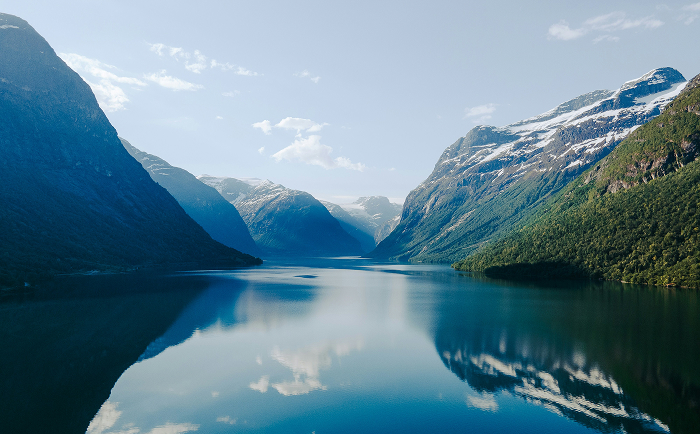
The Bay of Kotor defines the experience: a vast, fjord-like inlet where fortified towns such as Kotor and Perast sit at the base of sheer limestone mountains that rise over 1,700 metres directly from the water. Distances are short, waters are protected, and the sense of arrival by yacht is quietly striking. Kotor's Old Town, enclosed by Venetian walls, remains one of the Adriatic's best-preserved medieval harbours.
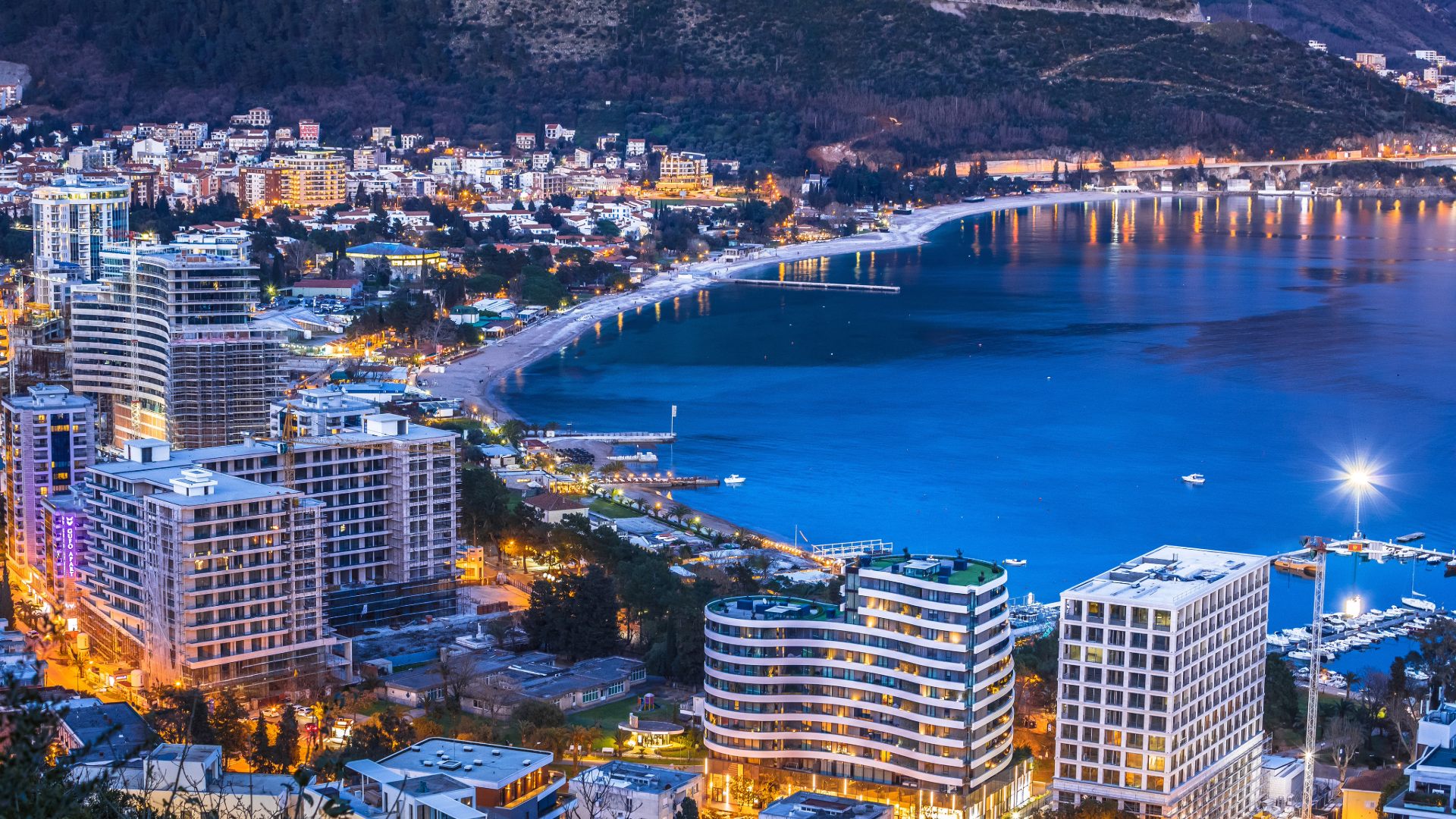
At the entrance to the bay, Porto Montenegro has become the Adriatic's most refined superyacht marina, 450 berths with service standards deliberately pitched at the established Mediterranean rather than emerging-market expectations. Beyond it, the coastline opens towards Budva and a more social rhythm of beach clubs and summer crowds, though secluded anchorages remain within easy reach.
Montenegro works particularly well within a wider Adriatic itinerary, pairing seamlessly with Croatia's southern islands to the north or crossing to Italy's Puglia coast. For guests seeking architectural depth, natural scale, and calm cruising in a single destination, it offers a compelling alternative to more established Mediterranean routes.
Enquire about Montenegro →


3 reasons Montenegro
belongs on your charter list
A coastline that compresses an entire Mediterranean into 300 kilometres
Montenegro's Adriatic coast is not large. That is precisely the point. Within a single week's charter, a yacht can move from the Boka Kotorska, a drowned river canyon so deep and enclosed it is often mistaken for a fjord, its medieval walls and Venetian belltowers reflected in still green water — to the open sea anchorages off Sveti Stefan, the island-village that has become one of the most photographed silhouettes in the Adriatic. Between them: the walled old town of Kotor, a UNESCO site compact enough to walk in an afternoon, and the beaches of Budva, backed by Venetian fortifications that predate most of what visitors call "historic" elsewhere in the Mediterranean. The compression is not a limitation. It is what makes a Montenegro charter uniquely rewarding — variety delivered not over weeks, but days.
The Boka Kotorska: the one place in the Adriatic with no equivalent
There is nothing else in the Mediterranean that looks like the Bay of Kotor. The bay is divided into four interconnected chambers, each one deeper and quieter than the last, the mountains closing in as a yacht moves inland until the water is mirror-flat and the peaks are overhead. The towns embedded in this landscape — Perast, with its two island churches sitting in the middle of the bay; Herceg Novi, spilling down the hillside at the entrance; Prčanj and Dobrota, their baroque palaces built by Venetian-era sea captains are not tourist infrastructure. They are a living record of a maritime culture that operated here for centuries before tourism existed. A charter that enters the Boka is not visiting a destination. It is sailing into a landscape with no comparison.
Genuinely undiscovered, at precisely the moment before that changes
Montenegro received EU candidate status in 2010 and has been building the infrastructure to match its ambitions , Porto Montenegro in Tivat is now a full-service superyacht marina by any standard. But the country itself has not yet been absorbed into the mainstream Mediterranean charter circuit. Anchorages that would be crowded in Croatia or overrun in Greece remain quiet here. The restaurants along the Boka still cook for locals as much as visitors. A charter in Montenegro in the current window offers something that has largely disappeared elsewhere in the Adriatic: the feeling of arriving somewhere real. That window will not stay open indefinitely.
Selected Yachts for Montenegro Charter
View full fleet →


The places that
define Montenegro


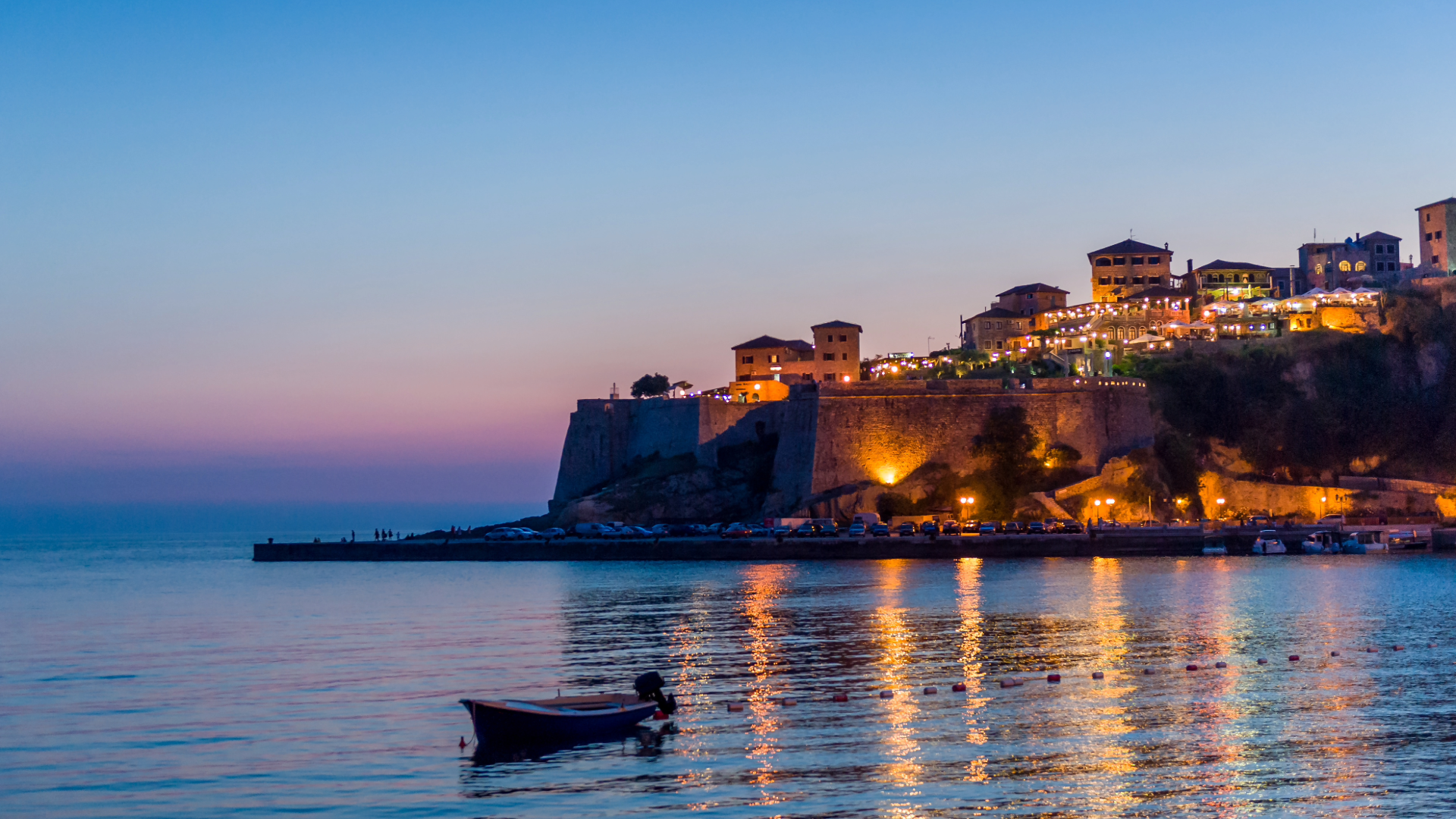
Planning your Montenegro voyage
Peak Season
The Adriatic coast is at its warmest and most alive. Porto Montenegro fills with superyachts, Budva's old town buzzes into the early hours, and the anchorages off Sveti Stefan are at their most sought-after. The Boka Kotorska, sheltered from open-sea swell, remains calm throughout. Expect full marinas, golden light, and the full energy of the Montenegrin summer. 25–35°C
Shoulder Season
Arguably the finest time to charter Montenegro. The coast is warm, the water swimmable, and the crowds have yet to arrive or have already departed. Restaurants along the Boka are easier to book, anchorages are quieter, and the light — particularly in October — is extraordinary. The old towns of Kotor and Perast feel genuinely themselves at this time of year. 18–25°C
Low Season
Montenegro's coast doesn't close in the way other Adriatic destinations do. Porto Montenegro operates year-round, and the Boka Kotorska in winter has a particular drama — mist on the mountains, the medieval towns emptied of visitors, the water perfectly still. Not a season for swimming, but for guests seeking privacy, solitude, and a coastline seen without the usual audience. 8–15°C

What our charter specialists say about Montenegro
When is the best time to charter a yacht in Montenegro?
Montenegro’s charter season runs from May through October. June and September are widely considered the most rewarding months: warm water, stable weather patterns and a calmer atmosphere ashore. July and August bring greater energy, particularly around Porto Montenegro and Budva, though the cruising grounds remain manageable due to their protected geography. For guests seeking softer light and quieter harbours, the shoulder months often provide the most refined experience.
How does Montenegro compare to Croatia for a yacht charter?
Croatia is defined by island-hopping and breadth; Montenegro is defined by concentration and vertical drama. In Croatia, itineraries move between numerous islands, Hvar, Vis, Korčula, each with its own rhythm. Montenegro offers fewer cruising miles but greater immediacy: mountains rising directly from the sea, fortified towns such as Kotor and Perast, and open Adriatic coastline within short reach. Many guests choose not between the two, but both. A Montenegro, Croatia charter creates one of the Adriatic’s most balanced and architecturally rich routes.
What are the sailing conditions like in Montenegro?
Montenegro benefits from largely sheltered waters and relatively short cruising distances. The fjord-like geography reduces exposure to open-sea swell, and itineraries rarely require long passages. Conditions are generally predictable throughout the main season, making the destination well suited to families, mixed-generation groups and first-time charterers. While the Adriatic can experience seasonal winds, Montenegro’s topography offers natural protection that allows captains to adapt routes comfortably.
Where do Montenegro yacht charters typically begin?
Most luxury yacht charters begin at Porto Montenegro, widely regarded as the Adriatic’s leading superyacht marina. Its proximity to Tivat International Airport allows for efficient arrivals, and the marina offers full-service facilities, high-end dining and discreet provisioning. From here, itineraries typically explore the Bay of Kotor before extending along the open Adriatic coast.
Can I combine Montenegro with other destinations on a single charter?
Yes and it is often recommended. Montenegro pairs seamlessly with Croatia to the north, creating a varied Adriatic itinerary that moves from mountainous inlets to island-rich cruising grounds. For charters of ten days or more, this combination offers exceptional contrast within relatively short distances. Longer routes may also include crossings to Italy, though Montenegro–Croatia remains the most naturally cohesive pairing.
How far in advance should I book a Montenegro yacht charter?
For July and August, particularly for premium yachts and sought-after crews, booking six to nine months in advance is advisable. While Montenegro is less saturated than some Mediterranean destinations, high-quality vessels in peak season are secured early. For May, June and September, three to six months is generally sufficient, though earlier planning always allows for greater choice and itinerary flexibility.