



Saint Lucia
The Windward Islands' Volcanic Anchor
Enquire Now →Saint Lucia is the only place in the Caribbean where you can sail into a bay flanked by two volcanic peaks in the morning, anchor off a working cocoa plantation for lunch, and watch the sun set over a drive-in volcano before dinner. For those seeking luxury yacht charter in Saint Lucia, no other Eastern Caribbean island offers the same combination of dramatic topography, accessible UNESCO heritage, and proximity to the Windward Islands' finest cruising grounds.
The island sits between Martinique to the north and St. Vincent to the south, forming a natural staging point for charters exploring the Windward Islands chain. The west coast, facing the Caribbean Sea, delivers the island's established anchorages, Marigot Bay, Rodney Bay, and Soufrière beneath the Pitons. The east coast, exposed to the Atlantic, brings surf, rugged coastline, and conditions reserved for experienced crews. Saint Lucia's 27-mile length can be circumnavigated comfortably in a day, yet the island functions less as a destination unto itself and more as the anchor point for exploring Martinique's French colonial towns to the north, or the Grenadines' uninhabited cays to the south.
What distinguishes Saint Lucia from other Windward Islands is its volcanic origin still visible above the waterline. The Pitons, Gros Piton and Petit Piton, rise 770 and 743 metres directly from the sea, UNESCO-listed and unobstructed by development. Sulphur Springs, the Caribbean's only drive-in volcano, remains geothermally active. The interior is rainforest, not plantation monoculture, with trails leading to waterfalls accessible only on foot. For guests seeking Caribbean charter conditions with topography that feels closer to the South Pacific, Saint Lucia delivers.
Enquire about Saint Lucia →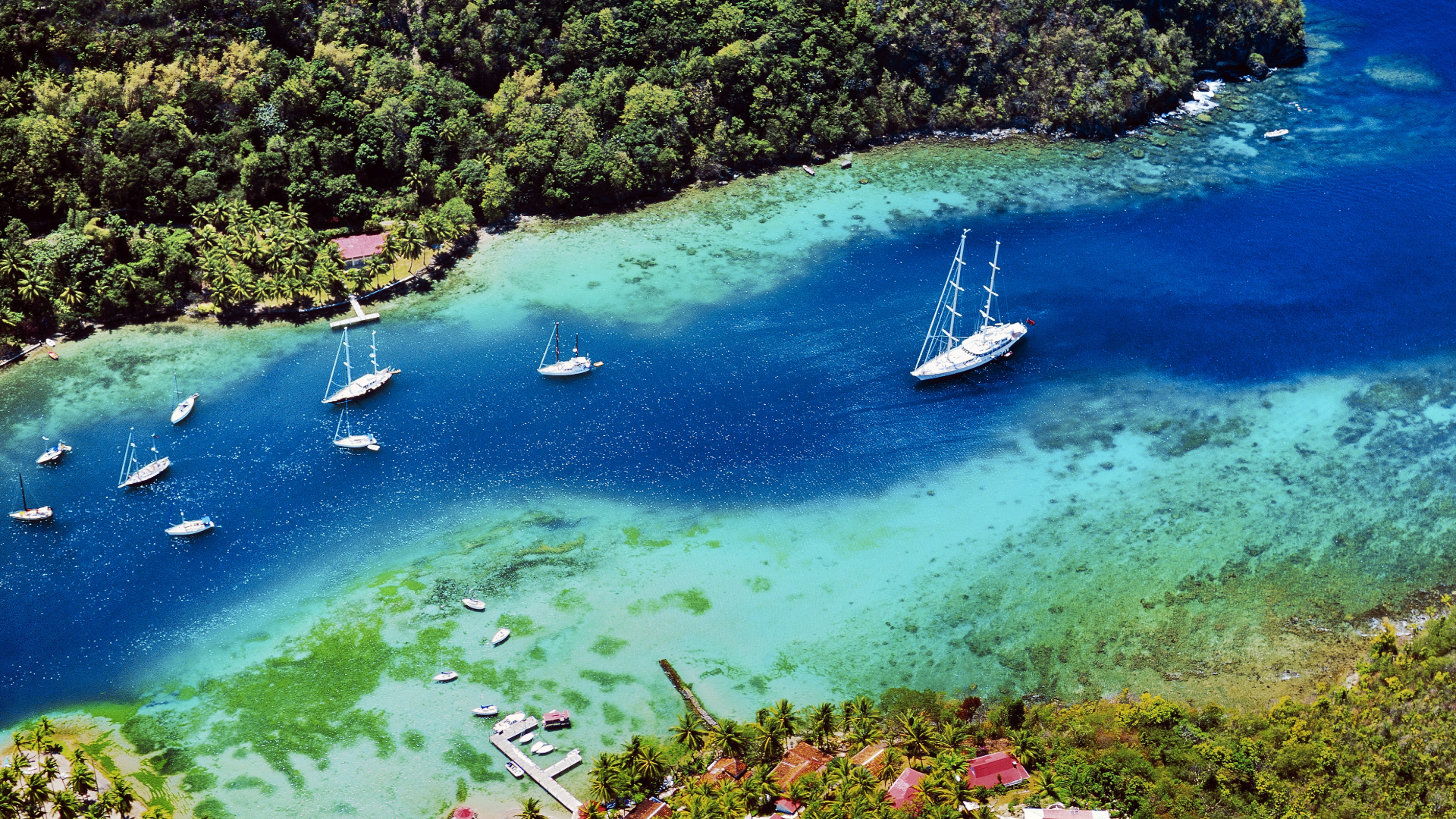
More in The Americas & Caribbean




3 reasons Saint Lucia
belongs on your charter list
Volcanic geography you can sail into
The Pitons are not a backdrop. They are the anchorage. Gros Piton and Petit Piton rise 770 and 743 metres respectively, straight from the Caribbean Sea, with no intervening coastal plain. Soufrière Bay, positioned between the two peaks, allows yachts to anchor within 200 metres of the base of Gros Piton, close enough that the summit disappears when you look up from the deck. The town of Soufrière, established in 1746, sits on the shoreline of a collapsed volcanic crater, the bay itself is the remnant caldera. Sulphur Springs, a fifteen-minute drive inland, is the Caribbean's only drive-in volcano, still venting steam and sulphur dioxide. The botanical gardens at Diamond Falls, fed by geothermal mineral springs, produce water hot enough to bathe in. This is not dormant geology preserved in a national park. It is an active volcanic system you can tender into, hike, and anchor beside.
A staging point, not a circuit
Saint Lucia works because of what surrounds it. Martinique, 21 nautical miles north, brings French colonial architecture, Creole cuisine, and marina infrastructure in Fort-de-France that rivals anything in the Mediterranean. St. Vincent, 24 nautical miles south, serves as the gateway to the Grenadines, Bequia, Mustique, Canouan, Mayreau, Tobago Cays. A week-long charter based in Rodney Bay or Marigot Bay can reach both Martinique and the northern Grenadines comfortably, using Saint Lucia as the logistical hub while cruising grounds extend 50 nautical miles in either direction. For guests who measure a charter by variety rather than circumnavigation, Saint Lucia offers access to three distinct island cultures, French, British, and the smaller-island isolation of the Grenadines, without the repositioning costs or multi-base complexity that typically come with range.
Infrastructure built for serious yachting
Saint Lucia is one of the few Windward Islands where marina development has kept pace with charter demand. Rodney Bay Marina, the island's largest, offers 253 berths, haul-out facilities, and provisioning infrastructure comparable to Antigua or Grenada. Marigot Bay, a hurricane hole used since the 18th century, combines natural protection with modern marina services. IGY Rodney Bay provides customs clearance, fuel, water, and 24-hour security. The island has invested in facilities rather than relying solely on anchorages, essential for guests planning extended charters or needing reliable shore support. Crew training, yacht maintenance, and provisioning standards reflect the island's role as a charter hub, not a seasonal add-on. For those accustomed to Mediterranean levels of service and infrastructure, Saint Lucia meets expectations in a way much of the Eastern Caribbean does not.
Selected Yachts for Saint Lucia Charter
View full fleet →


The places that
define Saint Lucia


Planning your Saint Lucia voyage
Peak Season
Dry season, consistent trade winds at 15-20 knots, and the Caribbean's high season pricing. Water temperature 26-27°C. Rodney Bay and Marigot Bay anchorages fill quickly. Book early for Christmas and New Year charters.
Shoulder Season
Lower rainfall than high season but outside the worst of hurricane risk. June marks the official start of hurricane season, November the tail end. Trade winds remain reliable. Reduced charter rates and fewer yachts at anchor.
Hurricane Season
The Atlantic hurricane season peaks in August and September. Saint Lucia sits within the hurricane belt. Most charter operations reduce activity or require flexible cancellation terms. Marina haul-out facilities fill as yachts prepare for storm season.

What our charter specialists say about Saint Lucia
What is the best time of year to charter a yacht in Saint Lucia?
Saint Lucia's charter season runs from December through May, with January to April offering the most consistent conditions and the driest weather. The island sits within the hurricane belt, so charters outside this window are less common, though November and early December can offer excellent sailing with lighter crowds and competitive availability. The trade winds are reliable throughout the season, making for excellent sailing conditions along the island's western leeward coast.
Which areas of Saint Lucia are best for a yacht charter?
The island's western coast is where most charter activity is concentrated, offering sheltered anchorages and calm water protected from the Atlantic trade winds. Marigot Bay serves as the primary marina base, with Rodney Bay to the north offering additional infrastructure and provisioning. Soufrière, on the southwest coast, provides the closest access to the Pitons and the island's volcanic attractions, though mooring can be more limited. For those extending beyond Saint Lucia, Martinique lies 21 miles north, while St. Vincent and the northern Grenadines are within comfortable reach to the south.
Do I need any sailing experience to charter a yacht in Saint Lucia?
No experience is necessary for a fully crewed charter, your captain will navigate the island's western coast and handle all mooring and provisioning logistics, leaving you free to explore both the yacht and the island itself. Bareboat charters are available for qualified sailors, with the protected leeward coast offering straightforward sailing and Marigot Bay providing a secure base. Those planning to extend into the Windward Islands should have experience with open-water passages and navigating between volcanic islands.
What can I expect from the onboard dining experience in Saint Lucia?
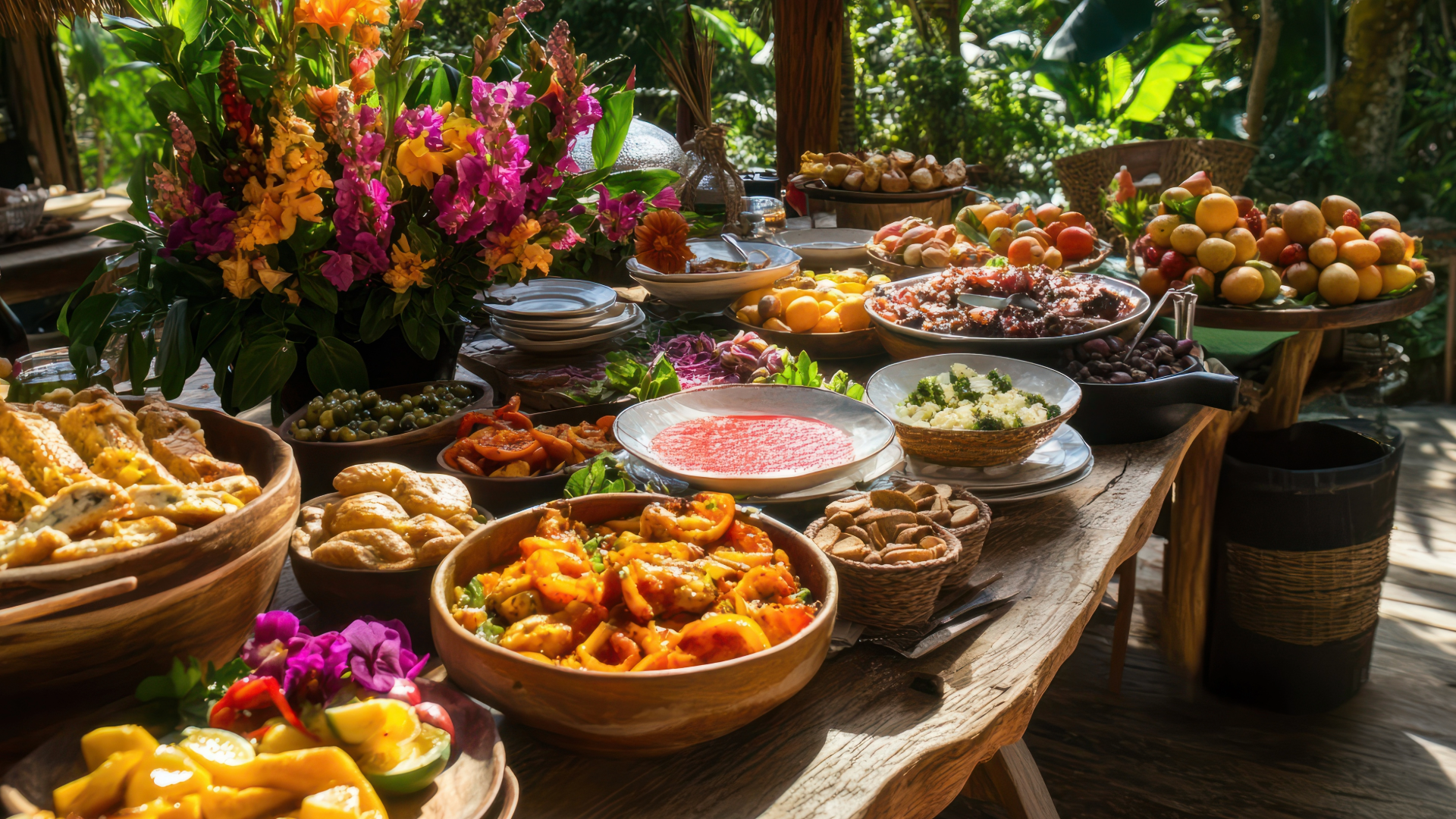
Saint Lucian cuisine blends French, British, and Creole influences with fresh local ingredients — expect freshly caught mahi-mahi, tuna, and snapper, alongside tropical fruit, breadfruit, and provisions sourced from the island's Saturday markets. Many crews will incorporate local flavours and cooking techniques, from green fig and saltfish (the national dish) to Creole-spiced seafood and rum-infused desserts. Dining ashore ranges from waterfront restaurants in Marigot Bay to more rustic local spots in Soufrière and fishing villages along the coast.
How far in advance should I book a yacht charter in Saint Lucia?
For peak season charters between December and April, we recommend booking six to eight months in advance to secure your preferred vessel and ensure availability at Marigot Bay or Rodney Bay. Saint Lucia sees steady demand throughout the season but is less saturated than islands like St. Barths or Antigua, offering more flexibility for those booking closer to departure. Multi-island itineraries extending into the Grenadines may require additional lead time for route planning and provisioning.
Where is the best place to book a family yacht charter to St Lucia?
The best way to book a family yacht charter in St. Lucia is through a specialist brokerage such as Swisspath Yachting, where each element of the experience is tailored to your family. From selecting child-friendly yachts with the right onboard features and water toys, to planning flexible itineraries around the island’s sheltered bays and iconic Pitons, every detail is carefully considered. Working with an experienced charter broker also provides access to a curated global fleet, local insight, and discreet end-to-end support, from initial planning through to onboard preferences, ensuring a seamless and enjoyable experience for families.