



Grenada
The Spice Island at the edge of the hurricane belt
Enquire Now →Grenada is the only place in the Caribbean where you can anchor off the world's first underwater sculpture park in the morning, sail to a working nutmeg plantation for lunch, and watch the sun set over a horseshoe harbour lined with Georgian warehouses before dinner. For those seeking luxury yacht charter in Grenada, no other southern Caribbean island offers the same combination of protected hurricane-hole infrastructure, proximity to the Grenadines, and year-round provisioning standards shaped by the island's role as a charter season endpoint.
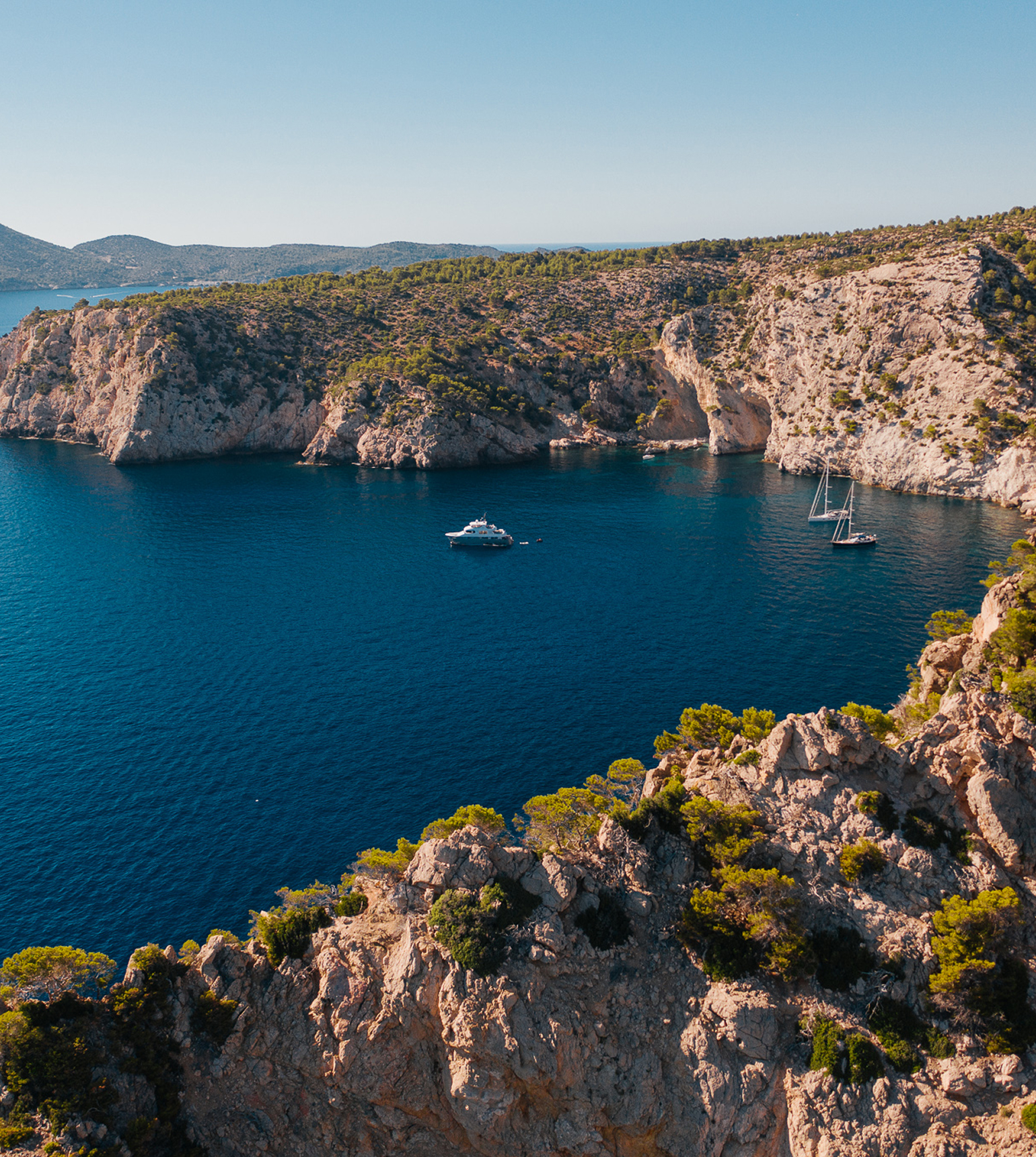
The island sits at 12 degrees north, the southernmost of the Windward Islands and the natural gateway to the Grenadines chain stretching north toward St. Vincent. St. George's, the capital, wraps around a collapsed volcanic crater forming one of the Caribbean's finest natural harbours. The southwest coast delivers the island's established anchorages; Grand Anse Bay, Prickly Bay, and Mount Hartman Bay, where Port Louis Marina and Grenada Yacht Club provide infrastructure built to withstand Category 5 hurricanes. The north and east coasts, exposed to Atlantic swells, remain largely undeveloped and reserved for experienced crews in settled conditions.
What distinguishes Grenada from the rest of the Eastern Caribbean is its position at the southern edge of the hurricane belt. While not immune, Hurricane Ivan in 2004 remains recent memory, the island experiences statistically lower hurricane risk than destinations further north. This geography, combined with purpose-built marina infrastructure and haul-out facilities, has established Grenada as the Caribbean's primary hurricane-season refuge and the logistical base for Grenadines charters that begin or end outside the traditional December-to-May window.
Enquire about Grenada →
More in The Americas & Caribbean




3 reasons Grenada
belongs on your charter list
Infrastructure built for the off-season
Grenada's marinas were not designed for convenience. They were engineered for survival. Port Louis Marina, opened in 2010, was built to withstand sustained winds of 175 mph, Category 5 hurricane standards, with concrete pilings driven 18 metres into the seabed and a mangrove-lined lagoon providing natural storm surge protection. Grenada Yacht Club at Prickly Bay offers similar specifications: reinforced concrete docks, sheltered inner basins, and haul-out facilities capable of lifting 75-tonne vessels. These are not seasonal operations. They function year-round, with full services maintained through hurricane season, because Grenada's charter industry depends on yachts that stay, not yachts that leave in May. For owners seeking a secure base in the Eastern Caribbean or guests planning extended charters that span shoulder seasons, Grenada offers infrastructure that takes hurricanes seriously without shutting down for six months.
A cruising ground that extends north, not in circles
Grenada works because of where it sits. Carriacou, the island's dependency 23 nautical miles north, brings Tyrrel Bay's protected anchorage and hillside villages where boatbuilding traditions date to the 18th century. Petite Martinique, 2 miles further, is a single-village island of 900 people where the primary industry remains fishing and yacht provisioning. Union Island, 35 nautical miles north, functions as the southern gateway to the Tobago Cays, five uninhabited islands surrounded by horseshoe reef and some of the clearest water in the Caribbean. A week-long charter based in Prickly Bay or Port Louis can comfortably reach Bequia (50 nautical miles), Mustique (60 nautical miles), and the full southern Grenadines chain, using Grenada as the logistical hub while cruising grounds extend across four nations' territorial waters. This is not a charter where you anchor off different beaches on the same island. It is access to an archipelago.
The Caribbean's agricultural economy you can still see
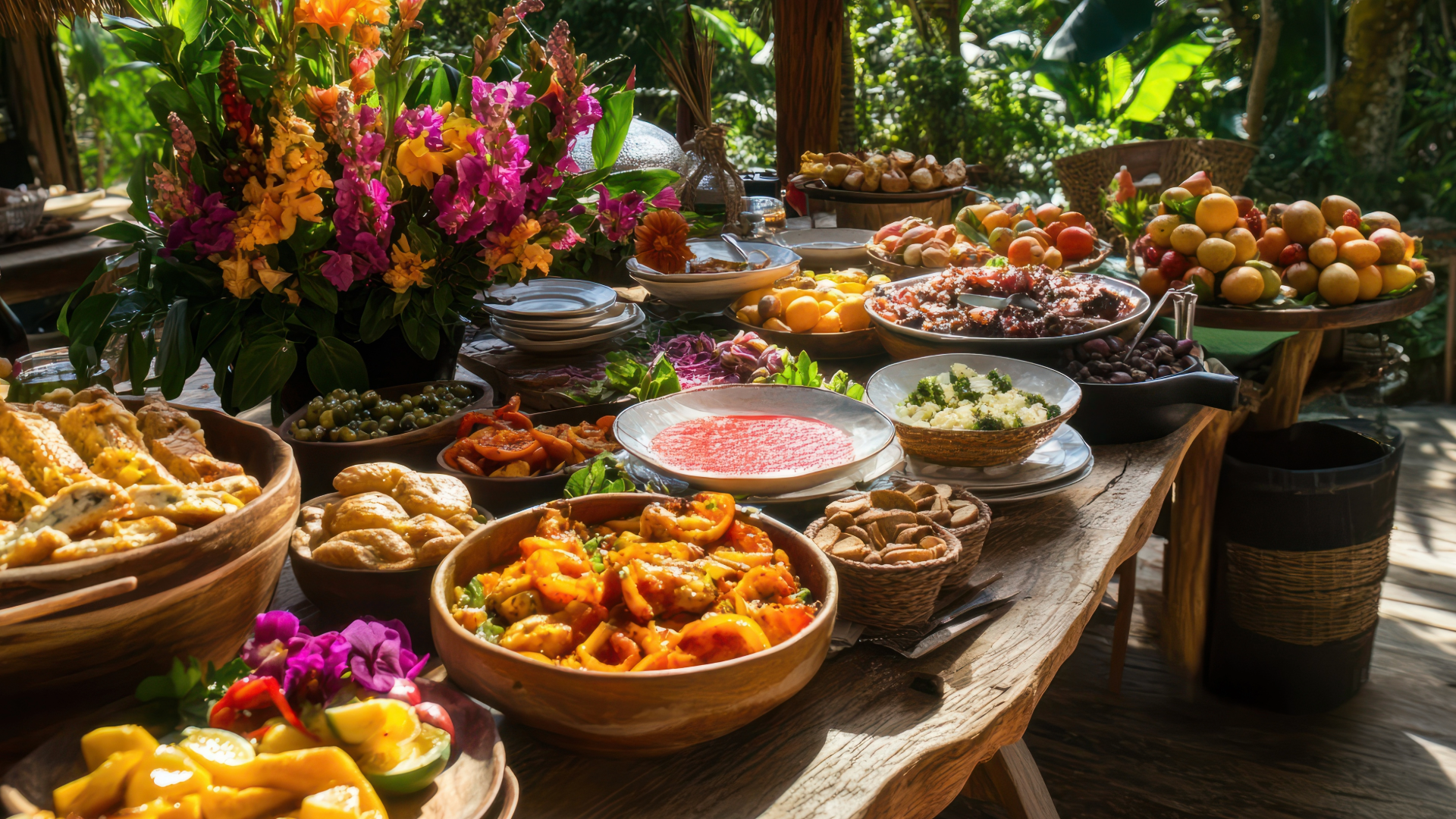
Grenada produces one-third of the world's nutmeg, along with cinnamon, cloves, cocoa, and vanilla grown on smallholder farms across the interior. This is not heritage agriculture preserved for tourists. It is the island's second-largest export after tourism. The Gouyave Nutmeg Processing Station, operational since 1947, still processes nutmeg by hand, you can visit by dinghy from nearby anchorages and watch the sorting, grading, and drying process that has not changed in 70 years. Belmont Estate, a 17th-century cocoa plantation, grows organic cacao and produces chocolate on-site using traditional fermentation methods. Rum distilleries, River Antoine, Clarke's Court, Westerhall, operate using machinery dating to the 1800s. For guests who measure a destination by what it produces rather than what it imports, Grenada remains one of the few Caribbean islands where the working landscape is still visible from the anchorage.
Selected Yachts for Grenada Charter
View full fleet →


The places that
define Grenada




Planning your Grenada voyage
Peak Season
Dry season, trade winds at 15-20 knots, and the Caribbean's high season pricing. Water temperature holds at 26-27°C. Prickly Bay and Port Louis berths fill quickly. Advance booking essential for Christmas and February half-term.
Shoulder Season
Lower rainfall and reduced charter rates. June marks the official start of hurricane season, November the tail end. Trade winds remain consistent. Fewer yachts at anchor, though full marina services continue year-round.
Hurricane Season
Atlantic hurricane season peaks August-September. Grenada sits at the southern edge of the hurricane belt — lower statistical risk than islands further north, but not immune. Many yachts haul out. Charter operations continue with flexible terms.

What our charter specialists say about Grenada
What is the best time of year to charter a yacht in Grenada?
Grenada's charter season runs from December through May, with January to April offering the most consistent conditions and reliable trade winds. The island sits within the hurricane belt, though it's positioned far enough south to see fewer direct hits than islands further north. November and early December can offer excellent sailing with lighter crowds, while late April and May mark the transition toward the off-season with warmer temperatures and occasional rain showers.
Which areas of Grenada are best for a yacht charter?
St. George's and the adjacent Prickly Bay/Lance aux Épines area on the island's southwest coast serve as the primary charter bases, offering marina infrastructure, provisioning, and secure berthing. Grand Anse, just south of the capital, provides calm anchorage and access to the island's most celebrated beach. For those extending beyond Grenada itself, Carriacou — a quieter, more traditional island with excellent anchorages, lies 23 miles north and serves as the natural first stop on Grenadines itineraries. From there, the southern Grenadines unfold in easy day-sail increments.
Do I need any sailing experience to charter a yacht in Grenada?
No experience is necessary for a fully crewed charter — your captain will handle all navigation, provisioning logistics, and passages to Carriacou or the Grenadines. Grenada is also a well-established bareboat destination for qualified sailors, with reliable trade winds, well-charted waters, and straightforward passages between anchorages. Those planning to cruise northward through the Grenadines should be comfortable with open-water sailing and navigating between islands with varying currents and wind patterns.
What can I expect from the onboard dining experience in Grenada?
Grenadian cuisine reflects the island's agricultural heritage and cultural influences, expect oil down (the national dish of breadfruit, salted meat, and coconut milk), fresh-caught tuna and mahi-mahi, callaloo soup, and an abundance of tropical fruit and spices grown on the island itself. Nutmeg features prominently, from ice cream to rum punch, and locally produced chocolate and cocoa are exceptional. Provisioning in Grenada is comprehensive, with access to both local markets and imported goods, making it one of the more reliable provisioning stops in the southern Caribbean.
How far in advance should I book a yacht charter in Grenada?
For peak season departures between December and April, we recommend booking six to eight months in advance to secure your preferred vessel and ensure marina availability at St. George's or Prickly Bay. Grenada sees steady charter demand but is less saturated than northern Caribbean hotspots, offering reasonable flexibility for those booking closer to departure. Multi-island Grenadines itineraries may require additional lead time for route planning, customs clearance, and coordinating provisioning across multiple jurisdictions.
Where is the best place to book a family yacht charter in Grenada?
The best way to book a family yacht charter in Grenada is through a specialist brokerage such as Swisspath Yachting, where every element of the experience is tailored to your family. From selecting child-friendly yachts with the right onboard features and water toys, to planning flexible itineraries through Grenada and the nearby Grenadines, each detail is carefully considered. Working with an experienced charter broker also provides access to a curated global fleet, local insight, and discreet end-to-end support, from initial planning through to onboard preferences, ensuring a seamless and enjoyable experience for families.