



Aruba
The Caribbean's most reliable charter destination
Enquire Now →Aruba is the only place in the Caribbean where you can guarantee sunshine in September, sail in consistent 15-20 knot trade winds every month of the year, and anchor off Dutch colonial architecture without a hurricane forecast interrupting your itinerary. For those seeking luxury yacht charter in Aruba, no other Caribbean island offers the same combination of year-round reliability, established infrastructure, and proximity to Venezuela's protected archipelagos.
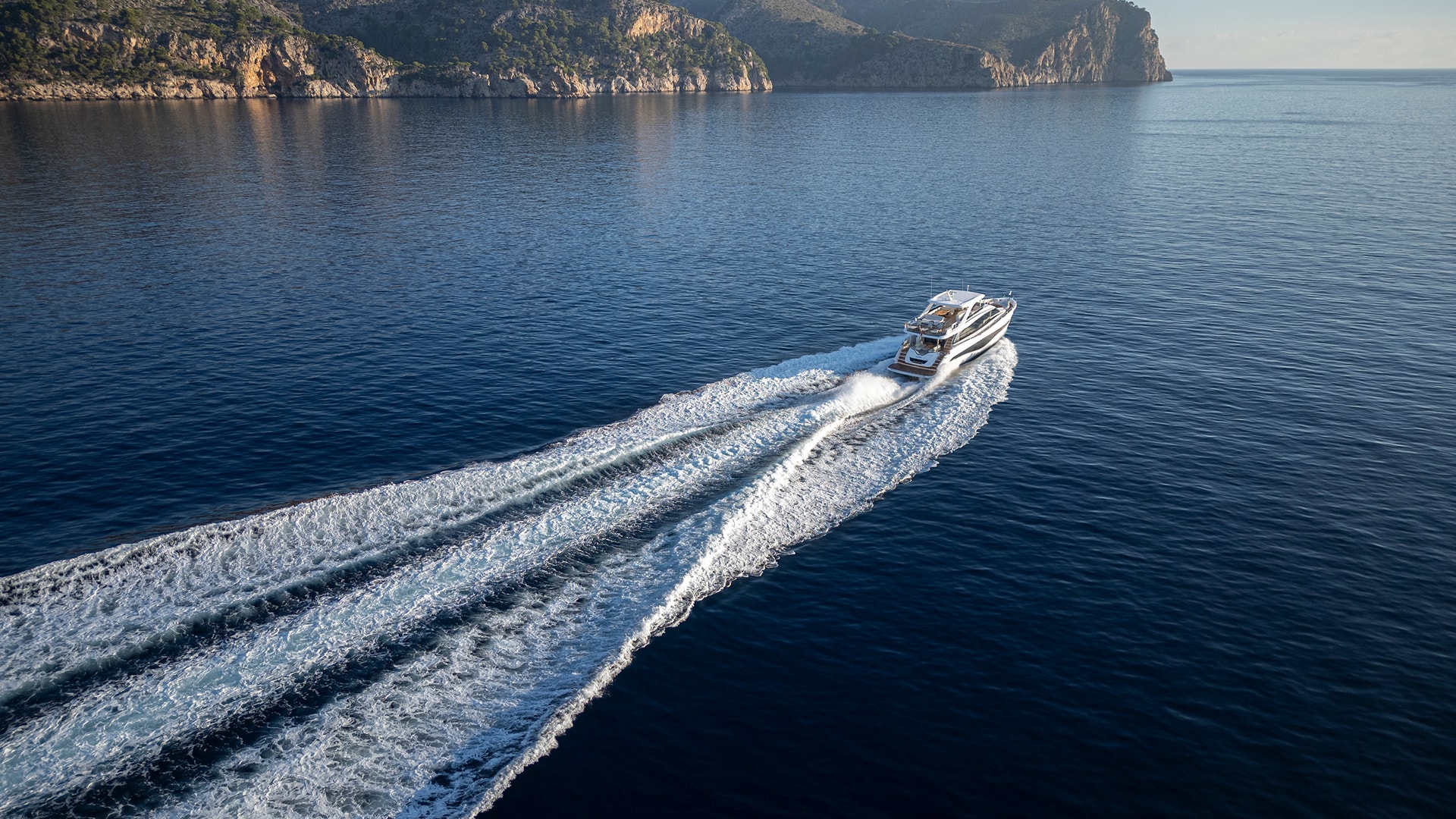
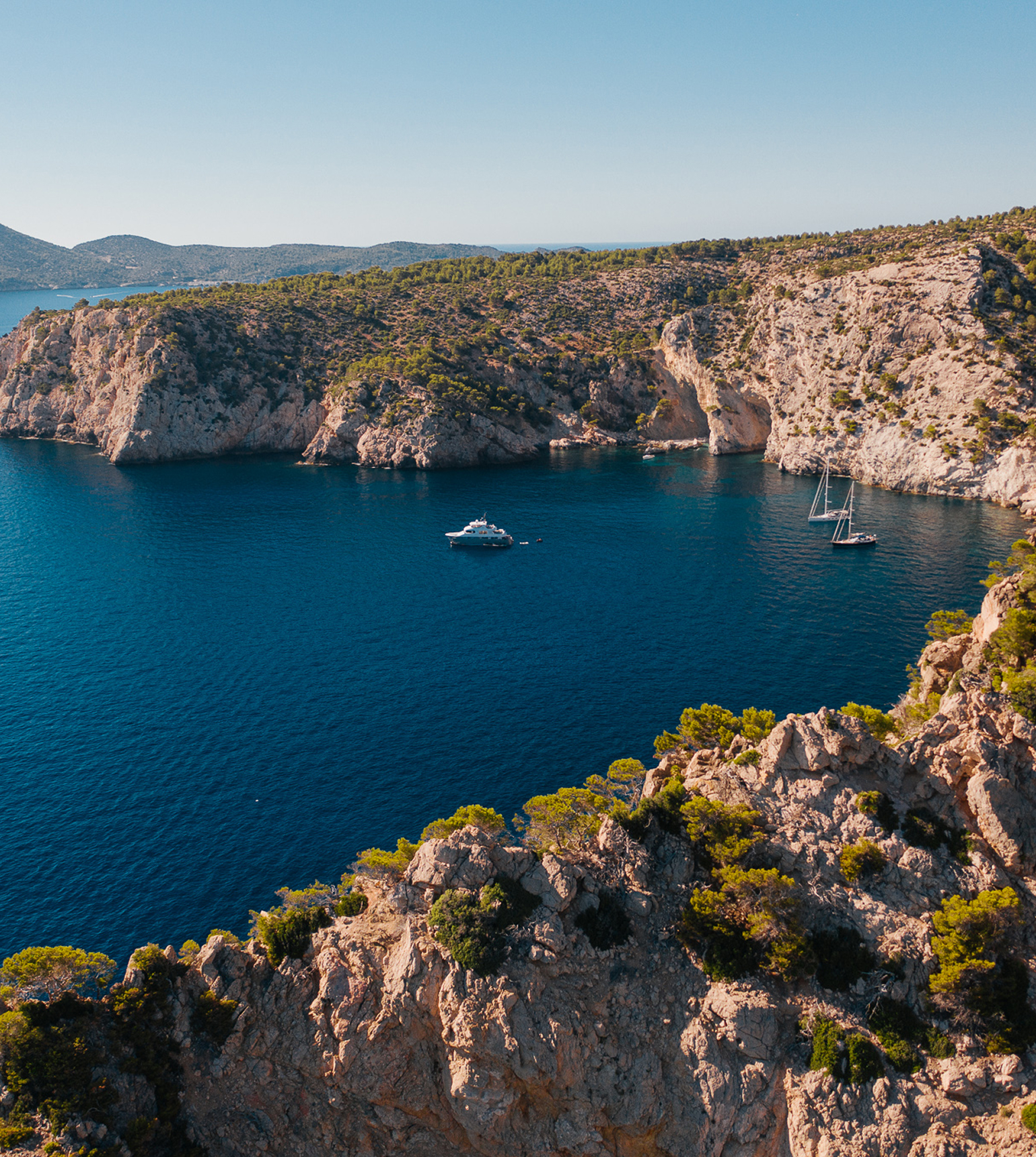
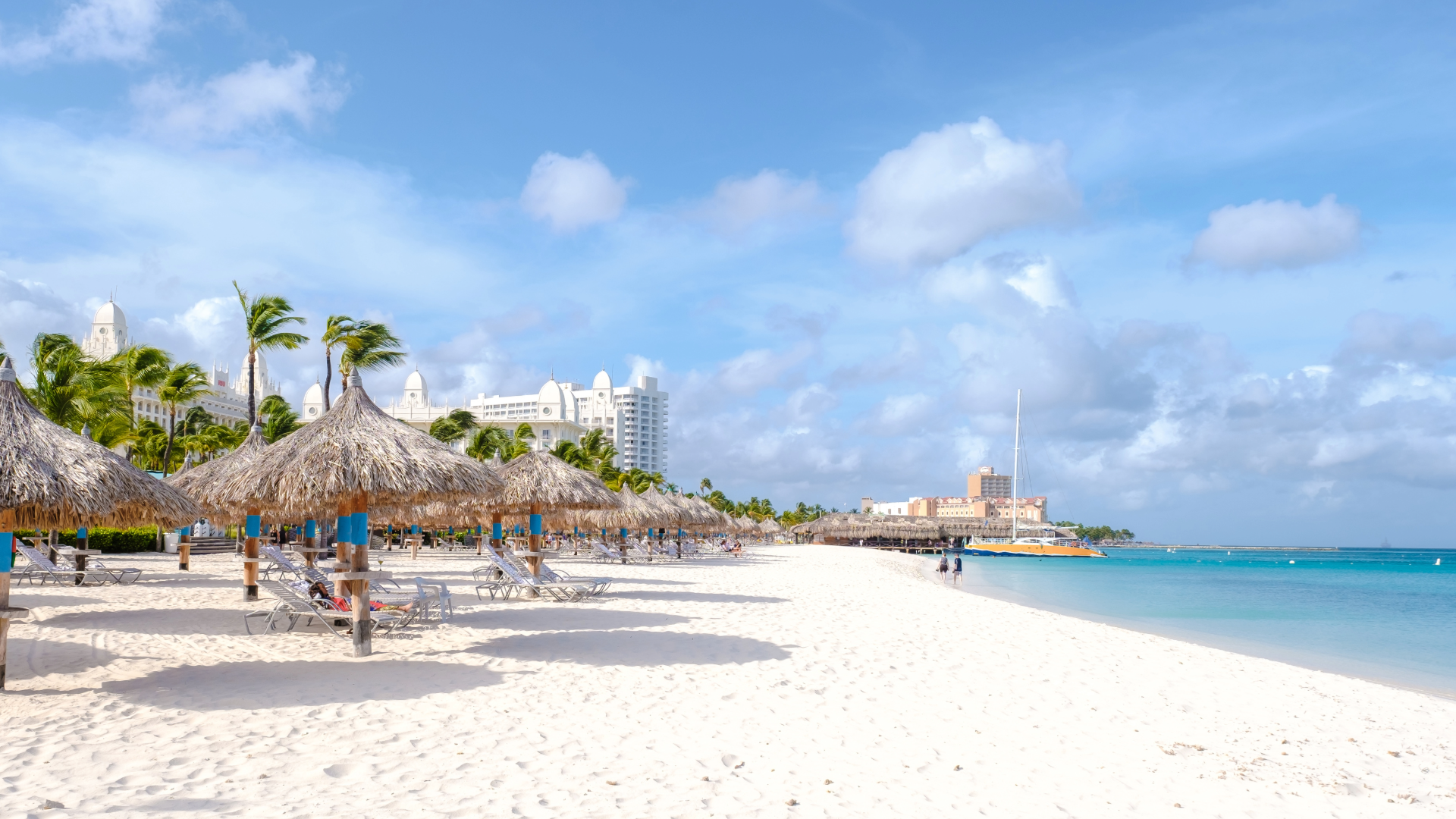
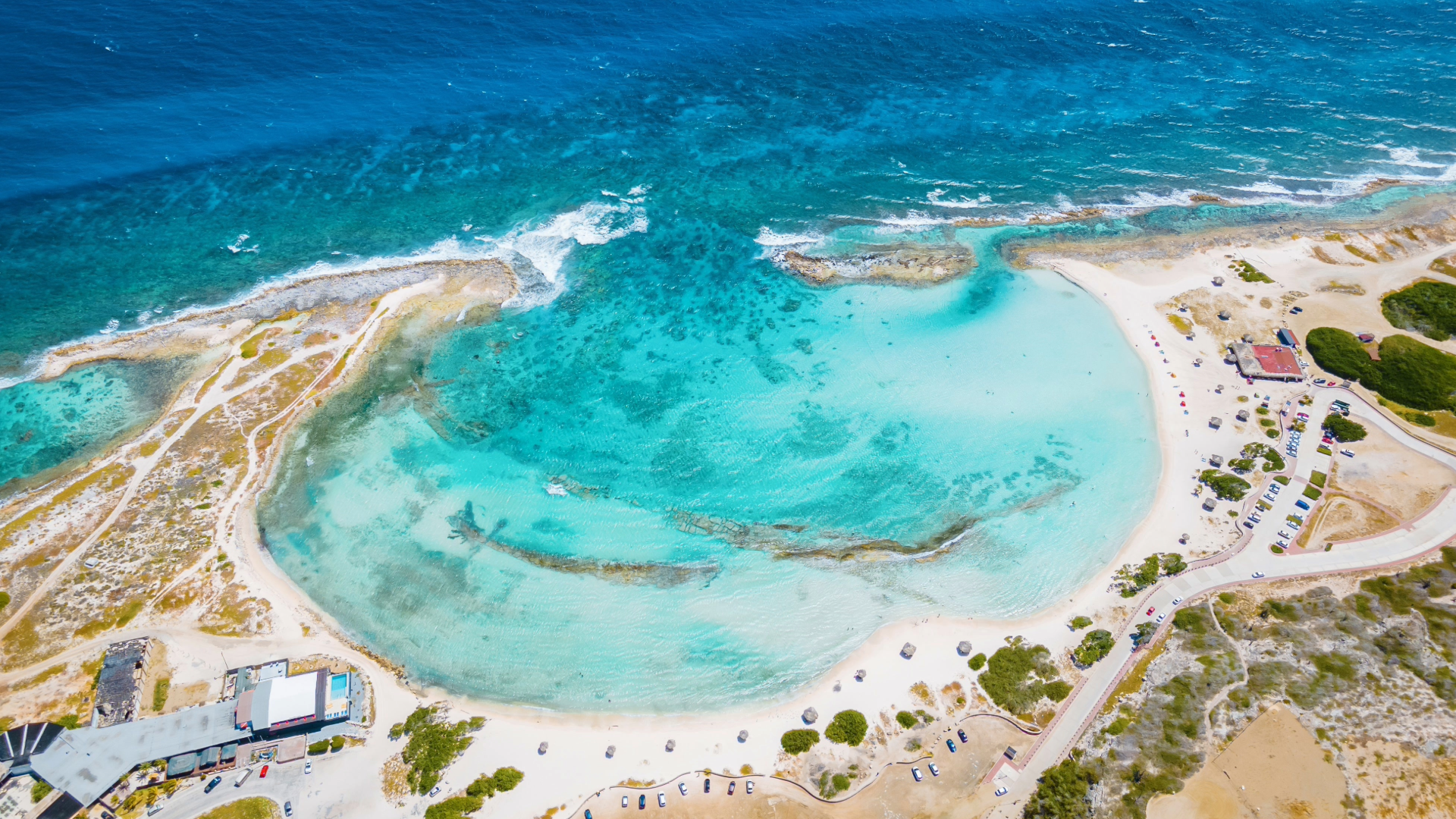
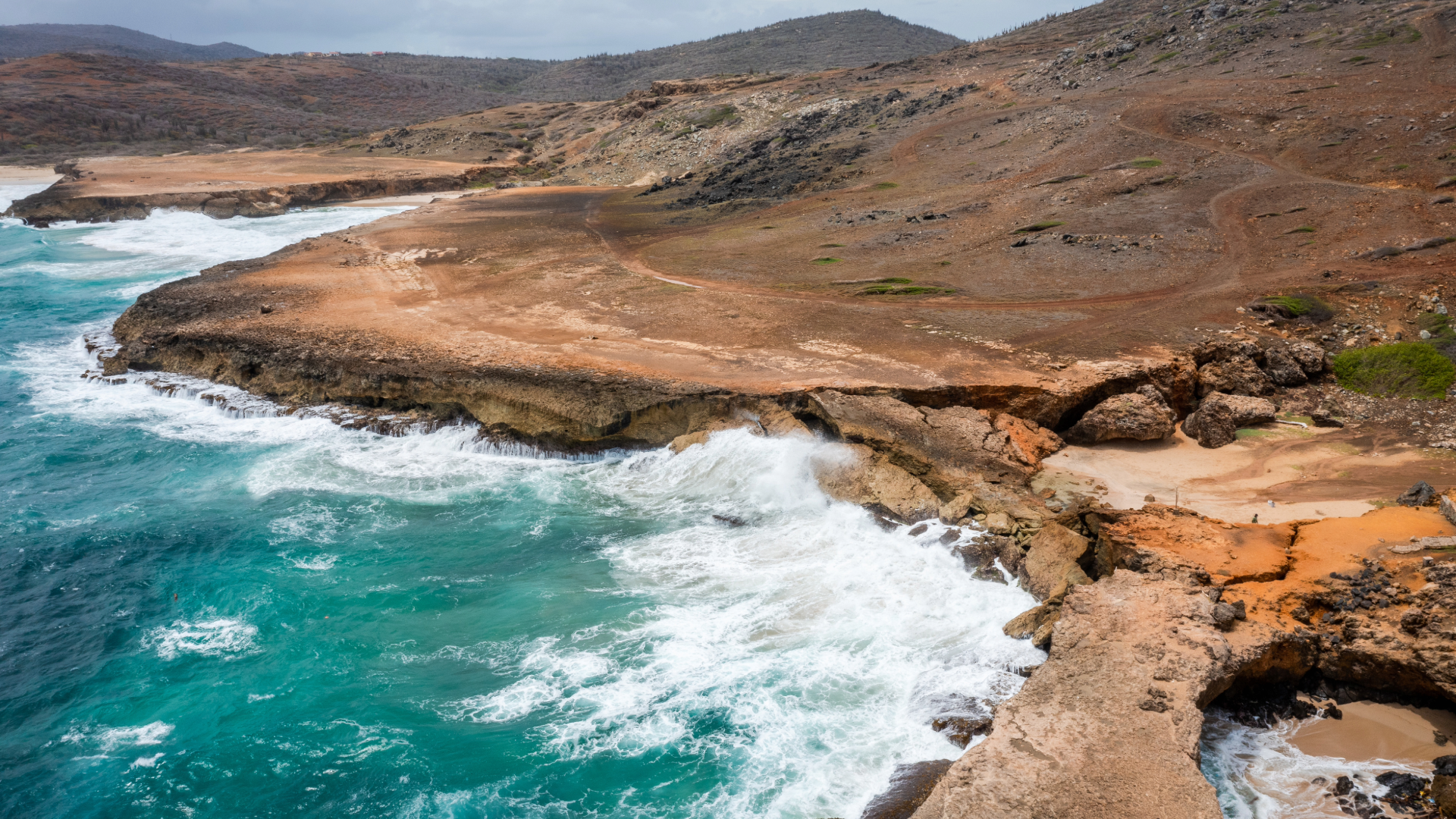
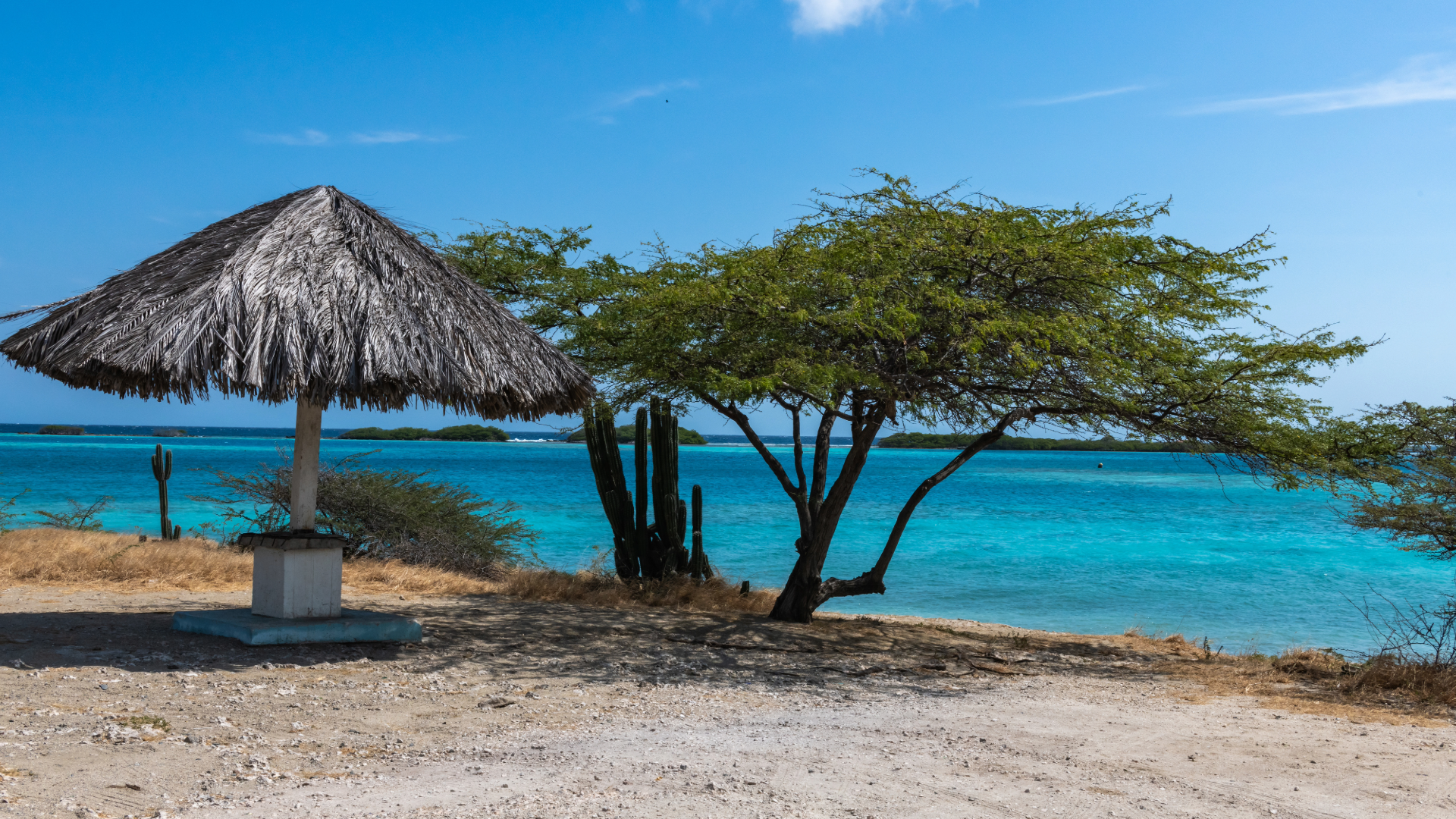
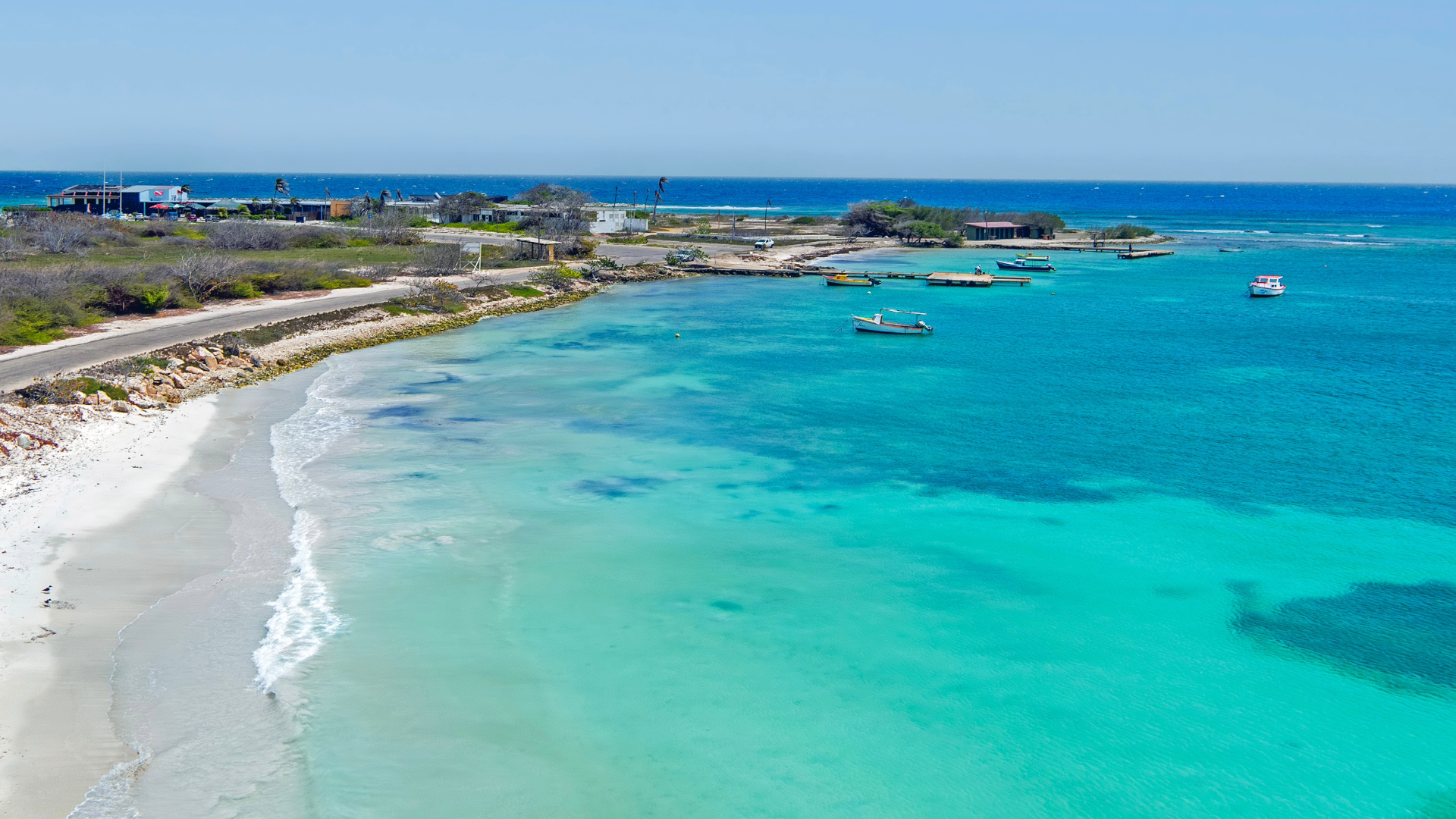
The ABC Islands comprising Aruba, Bonaire, Curaça; form the natural centre of southern Caribbean charter. Aruba, the westernmost and smallest of the three, functions as the region's anchor point: stable weather, modern marinas, and a coastline where white sand beaches meet rocky limestone outcrops shaped by centuries of trade wind erosion. The leeward coast, facing south toward Venezuela, delivers calm, protected waters and the island's best-known beaches. The windward coast, exposed to the Atlantic, brings dramatic surf, rugged terrain, and conditions better suited to experienced sailors.
What distinguishes Aruba from the rest of the Caribbean is predictability. The island sits 12 degrees north of the equator, below the hurricane belt that affects nearly every other Caribbean destination between June and November. Rainfall averages 50 centimetres annually, less than half what falls on most Caribbean islands. The trade winds blow from the east-northeast at 15-20 knots, year-round, with minimal seasonal variation. For guests planning extended charters or booking months in advance, Aruba offers something rare in the Caribbean: weather you can rely on.
Enquire about Aruba →

More in The Americas & Caribbean





3 reasons Aruba
belongs on your charter list
Weather that requires no backup plan
Aruba does not have a shoulder season. It has no hurricane season, no cyclone risk, and no meaningful rainy period. Average annual rainfall is 480mm, roughly a third of what falls on Antigua, half of what Grenada receives. The trade winds blow consistently from the east-northeast at 15-20 knots, strong enough for proper sailing, calm enough to anchor comfortably on the leeward coast. Daytime temperatures sit between 27-32°C throughout the year, with nighttime lows rarely dropping below 24°C. This is not marginal-season cruising that works "most of the time." This is a destination where the weather forecast is functionally identical in February, July, and November. For guests booking charters six months out or planning back-to-back itineraries, Aruba removes the single largest variable in Caribbean yachting.
A cruising ground that extends beyond one island
Aruba functions not as an isolated destination but as the western anchor of the ABC Islands, each within comfortable day-sailing distance. Curaçao, 70 nautical miles east, brings Willemstad's UNESCO-listed waterfront, duty-free shopping, and Punda's pastel Dutch colonial architecture. Bonaire, 90 nautical miles from Aruba, is a protected marine park, no fishing, no anchoring on coral, and some of the clearest water in the Caribbean. Klein Curaçao, an uninhabited island between Curaçao and Bonaire, offers a lighthouse, shipwrecks, and anchorage with visibility exceeding 30 metres. Mainland Venezuela's Los Roques archipelago, 120 nautical miles south, delivers over 300 islands and cays, most uninhabited, with protected lagoon sailing and bone-white sand beaches. This is not a charter where you circle the same island for a week. It is a region.
European standards in a Caribbean setting
Aruba operates under Dutch administrative oversight, which manifests in ways that matter to yachting: reliable infrastructure, enforced building codes, consistent regulatory standards, and service expectations shaped by European rather than purely Caribbean norms. Marinas are maintained year-round, not seasonally. Provisioning includes Dutch and European brands alongside Caribbean staples. Medical facilities meet international accreditation standards. Crew with European or North American training are common. The official currency is the Aruban Florin, though the US Dollar is universally accepted at a fixed rate. For guests accustomed to Mediterranean charter standards but seeking Caribbean conditions, Aruba bridges the gap in a way few islands can.
Selected Yachts for Aruba Charter
View full fleet →


The places that
define Aruba





Planning your Aruba voyage
Peak Season
Cooler, drier months by Caribbean standards, North American winter escape, higher charter rates, advance booking recommended. Conditions identical to rest of year, pricing the only variable.
Shoulder Season (Technically)
Marginally warmer and slightly higher humidity, but functionally the same weather. Hurricane season affects the rest of the Caribbean, but not Aruba. Lower rates, same reliable conditions.
Consistent Conditions
No meaningful seasonal variation. Trade winds blow at 15-20 knots every month. Rainfall remains minimal. Water temperature holds steady at 26-28°C. Charter planning driven by availability and pricing, not weather.

What our charter specialists say about Aruba
What is the best time of year to charter a yacht in Aruba?
Aruba can be chartered comfortably year-round, making it one of the Caribbean's most flexible destinations. November through April remains peak season when conditions are at their most consistent and the island sees its highest visitor numbers, but May through October, typically off-season elsewhere in the Caribbean, offers excellent sailing with warmer water, lighter crowds, and often more attractive availability across the fleet.
Which areas of Aruba are best for a yacht charter?
The island's western leeward coast is where most charter activity is concentrated, offering sheltered bays, calm water, and easy access to the island's best beaches and beach clubs. Oranjestad serves as the primary marina base, with Eagle Beach, Palm Beach, and Arashi Bay all within close reach. For those looking to extend beyond Aruba itself, Bonaire lies approximately 80 nautical miles east, with Curaçao a further 30 miles beyond, both well within range for a week-long or longer charter itinerary.
Do I need any sailing experience to charter a yacht in Aruba?
No experience is necessary for a fully crewed charter, your captain and crew handle all aspects of navigation, provisioning, and onboard service, leaving you free to simply enjoy the experience. Aruba is also a popular bareboat destination for qualified sailors, with consistent trade winds, well-marked channels, and straightforward inter-island passages making it accessible to experienced skippers looking to explore the ABCs independently.
What can I expect from the onboard dining experience in Aruba?
Aruba's culinary scene reflects its Dutch Caribbean heritage, blending European influences with fresh local seafood and Latin American flavours. Expect freshly caught mahi-mahi, red snapper, and grouper prepared by your crew, alongside tropical fruit and locally sourced produce. The island's restaurant scene is surprisingly sophisticated, with waterfront dining options ranging from casual beach shacks to white-tablecloth establishments, many of which are easily accessible by tender.
How far in advance should I book a yacht charter in Aruba?
For peak season departures between December and April, we recommend booking six to eight months in advance to secure your preferred vessel. Aruba's year-round charter season means shoulder months offer excellent flexibility, though early planning remains advisable to ensure the widest selection across our fleet and network. Multi-island ABC itineraries may require additional lead time for permitting and provisioning across multiple jurisdictions.
Where is the best place to book a family yacht charter to Aruba?
The best way to book a family yacht charter to Aruba is through a specialist brokerage such as Swisspath Yachting, where itineraries, vessels and crew are carefully matched to your family’s needs. From selecting child-friendly yachts with the right water toys and safety features, to planning flexible routes across Aruba and the wider ABC islands, a tailored approach ensures a seamless experience. Booking through an experienced charter broker also gives you access to a curated global fleet, local insight, and discreet end-to-end support, from initial planning through to onboard preferences, allowing families to travel with complete ease and confidence.