



The Maldives
26 atolls, a thousand islands, one endless horizon.
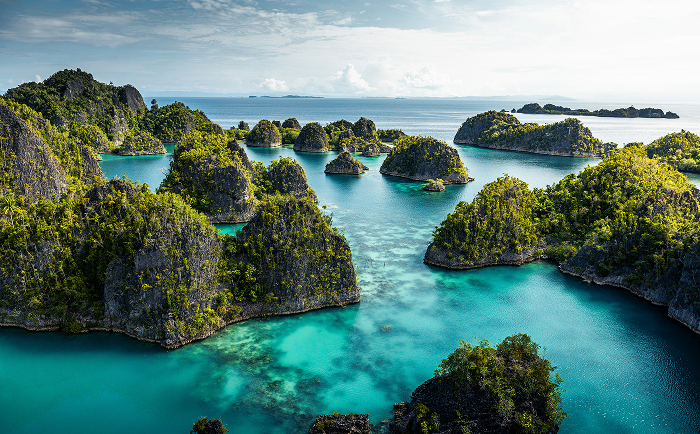
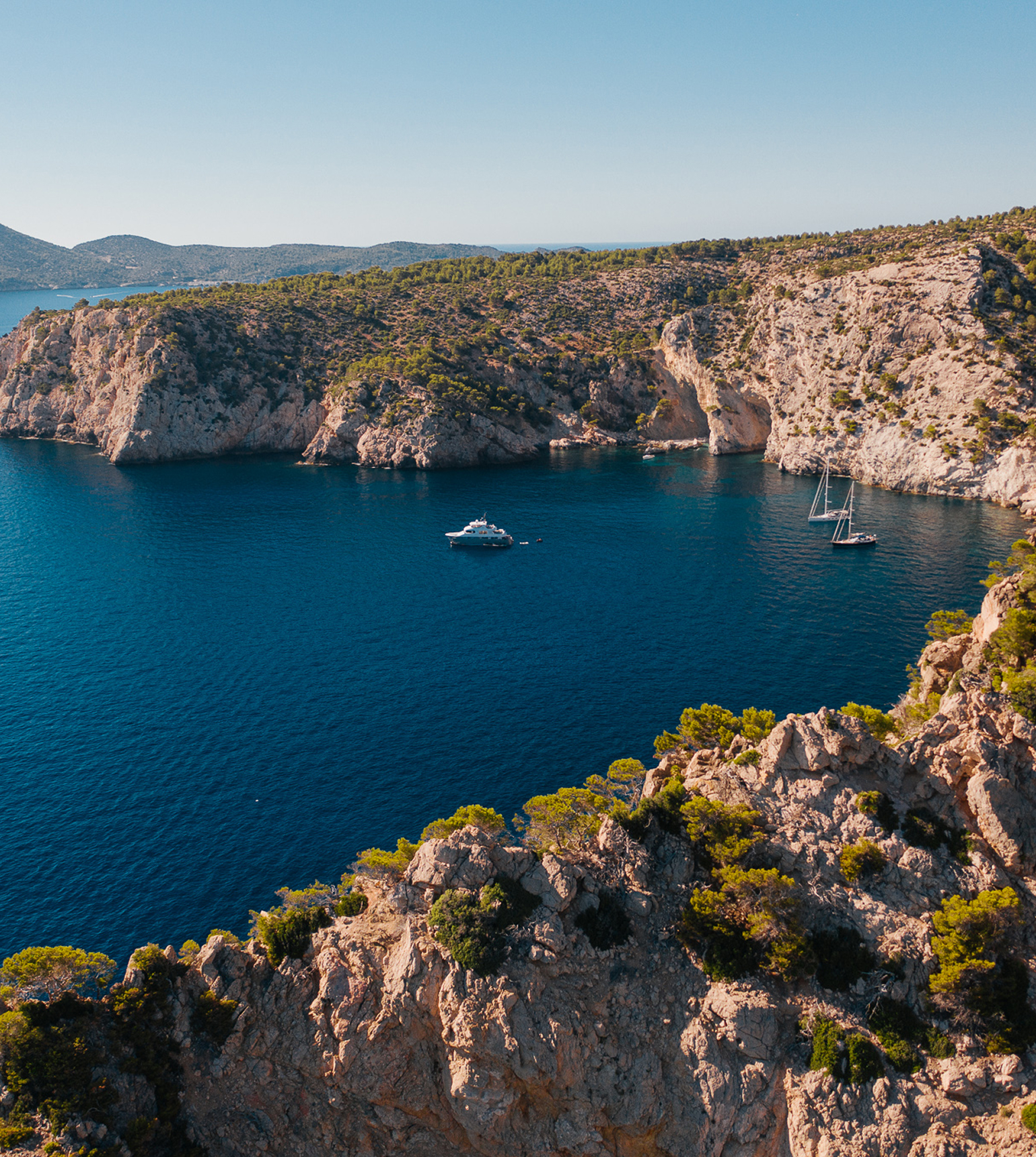
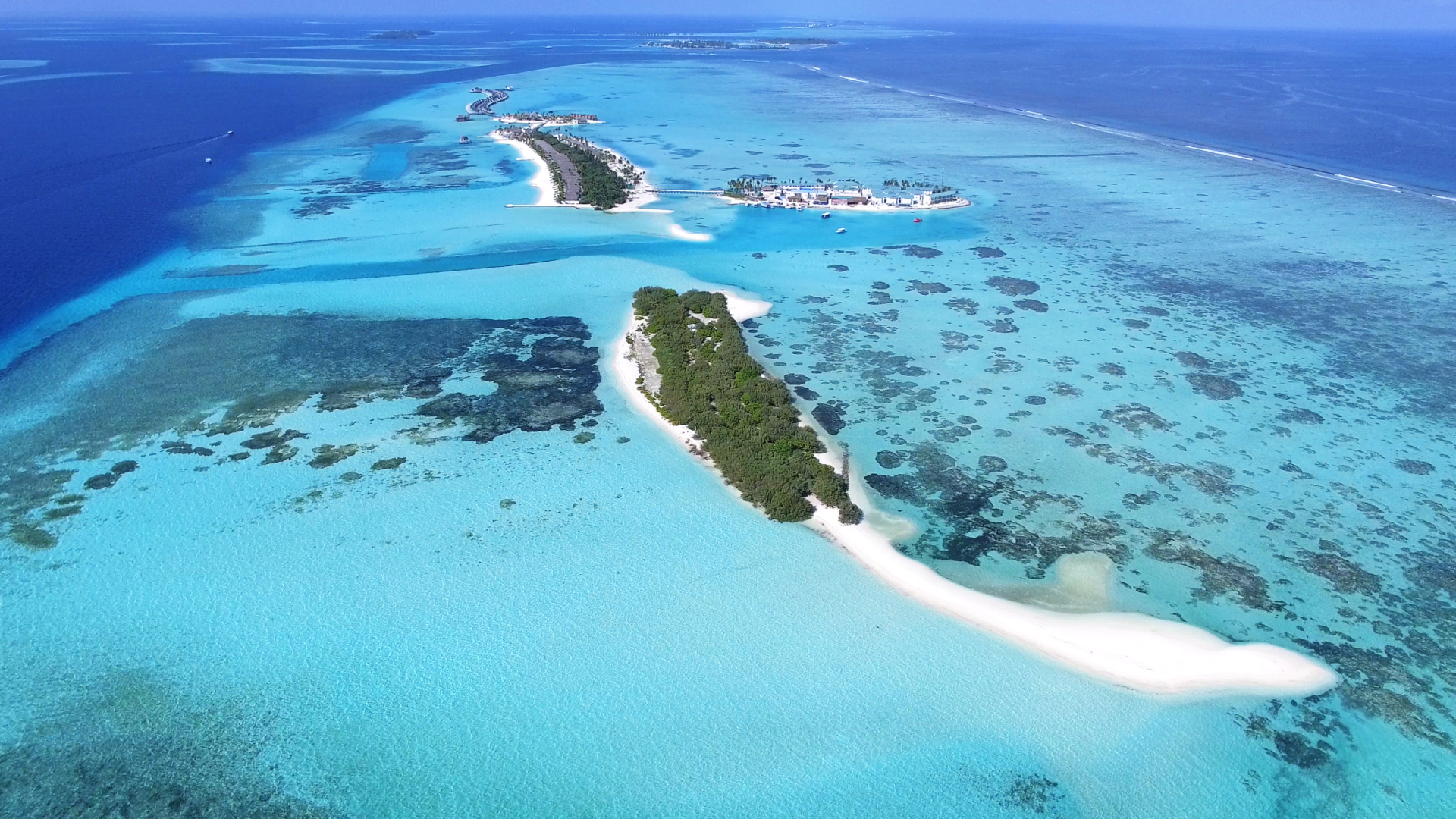
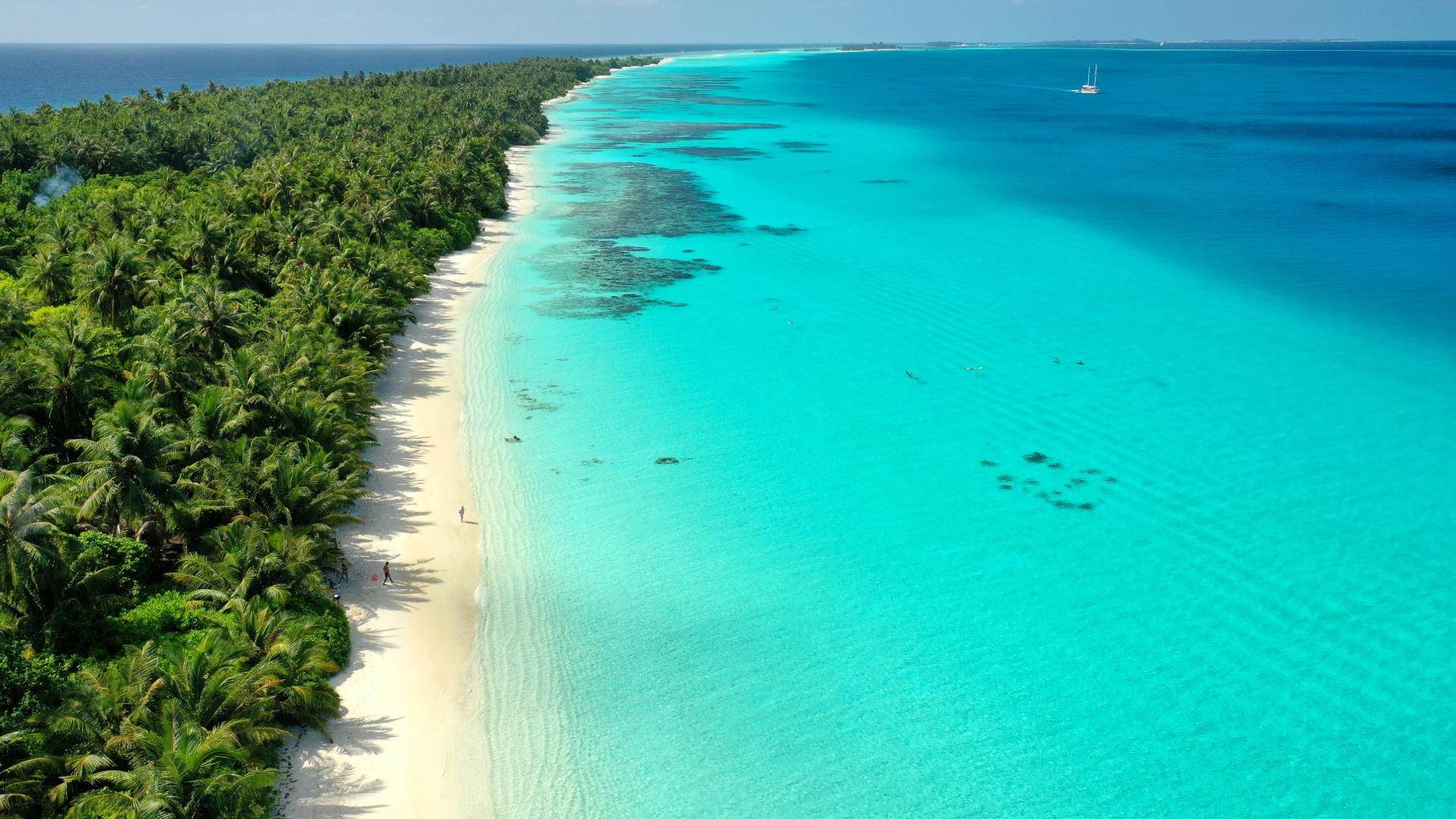
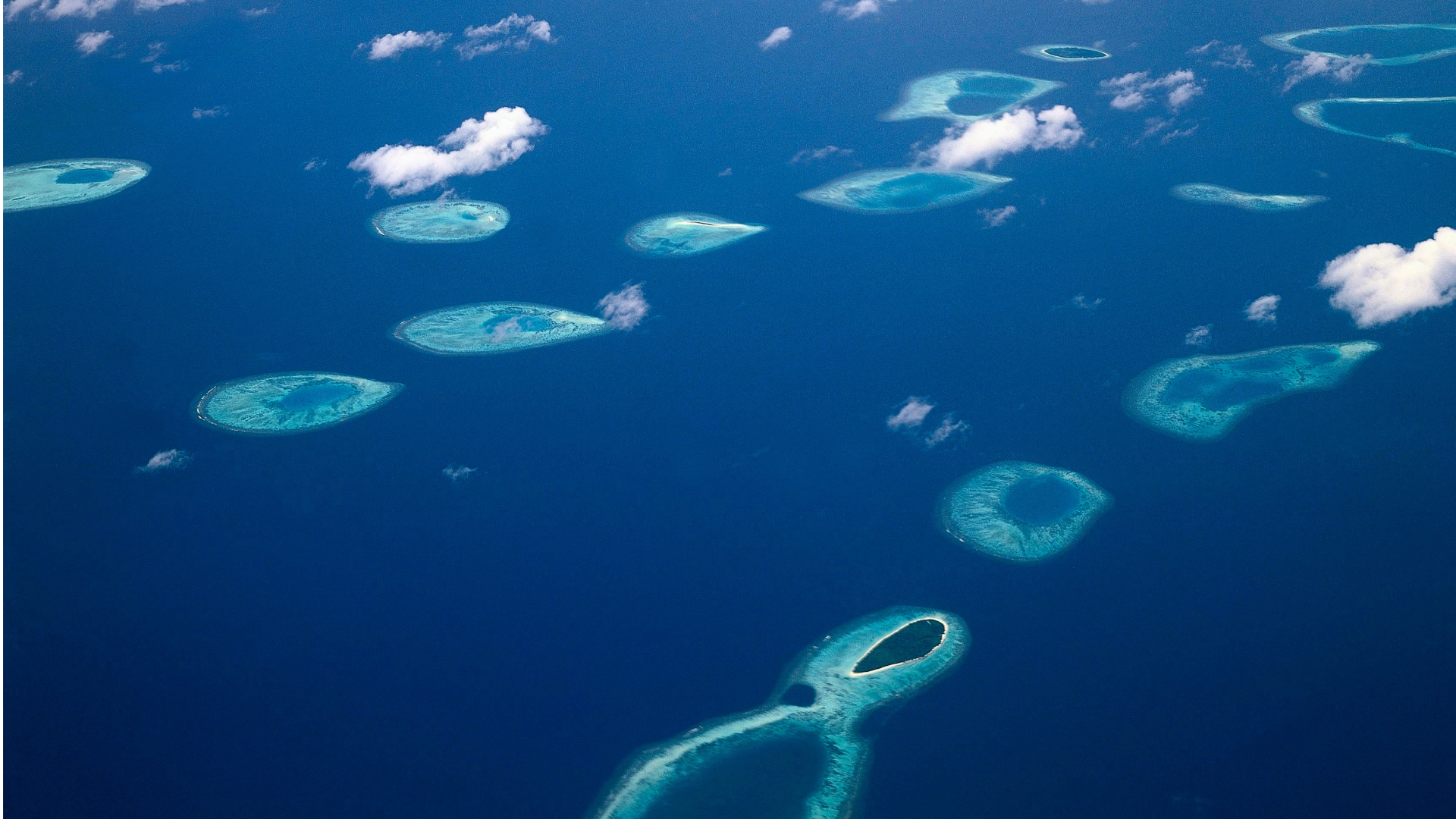
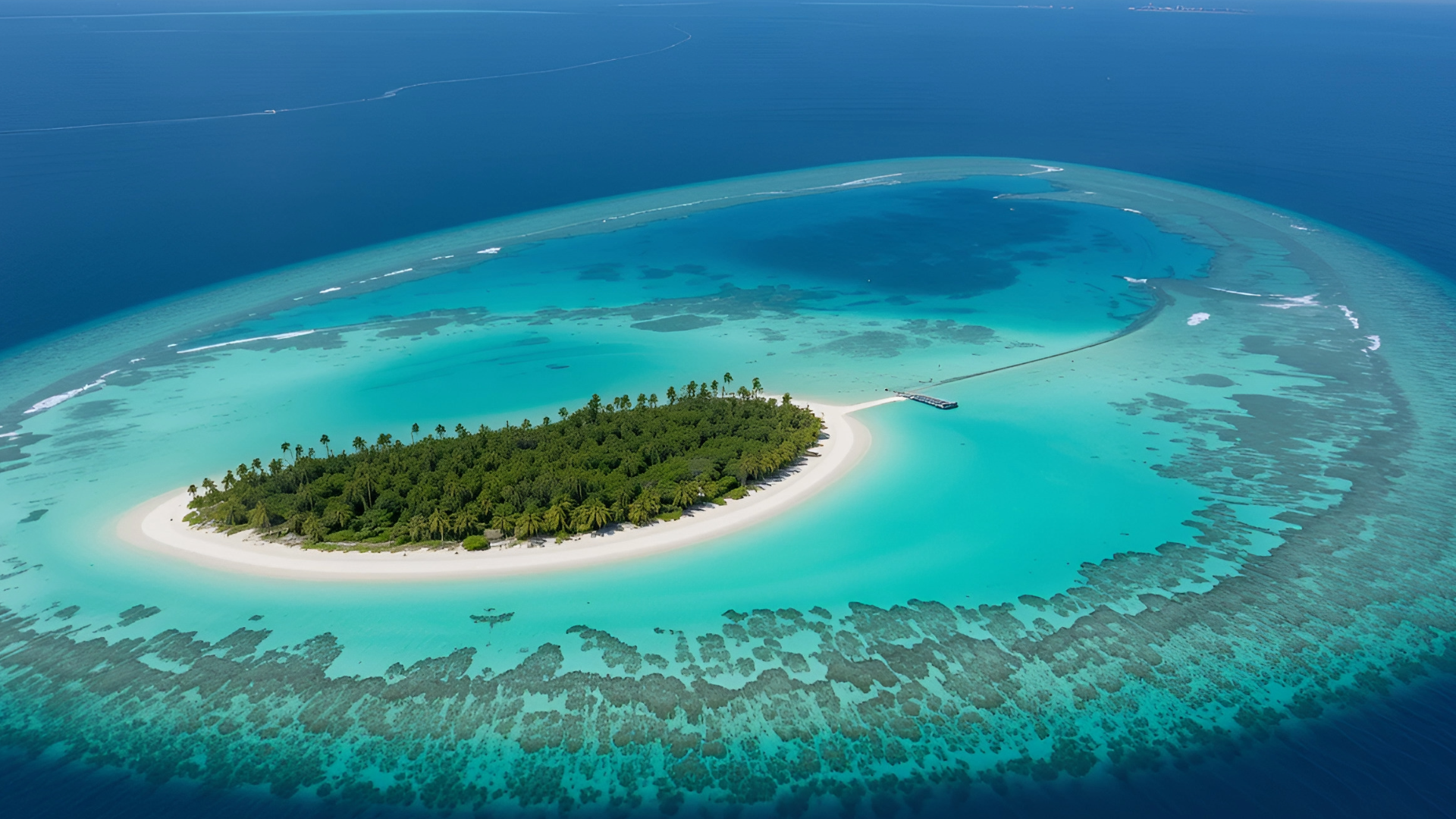
Enquire Now →The Maldives is unlike anywhere else on Earth for yacht charter: a scattering of 26 ring-shaped coral atolls and roughly 1,000 low-lying islands across the Indian Ocean, most of them uninhabited. There is no fixed itinerary here in the way there might be elsewhere, since a charter can move freely between deserted sandbanks, private lagoons and world-class dive sites, with a new island to anchor beside almost every day.
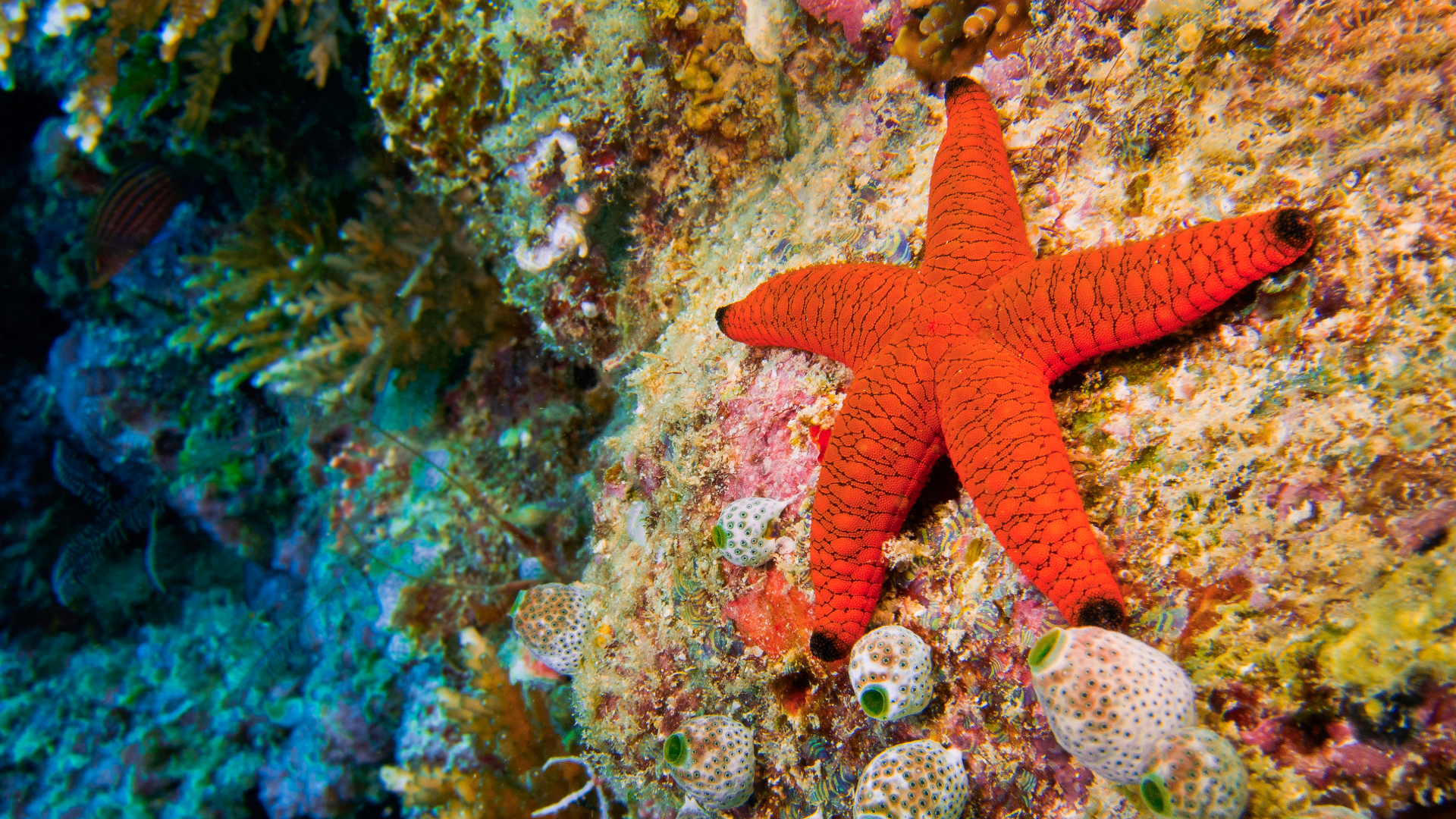
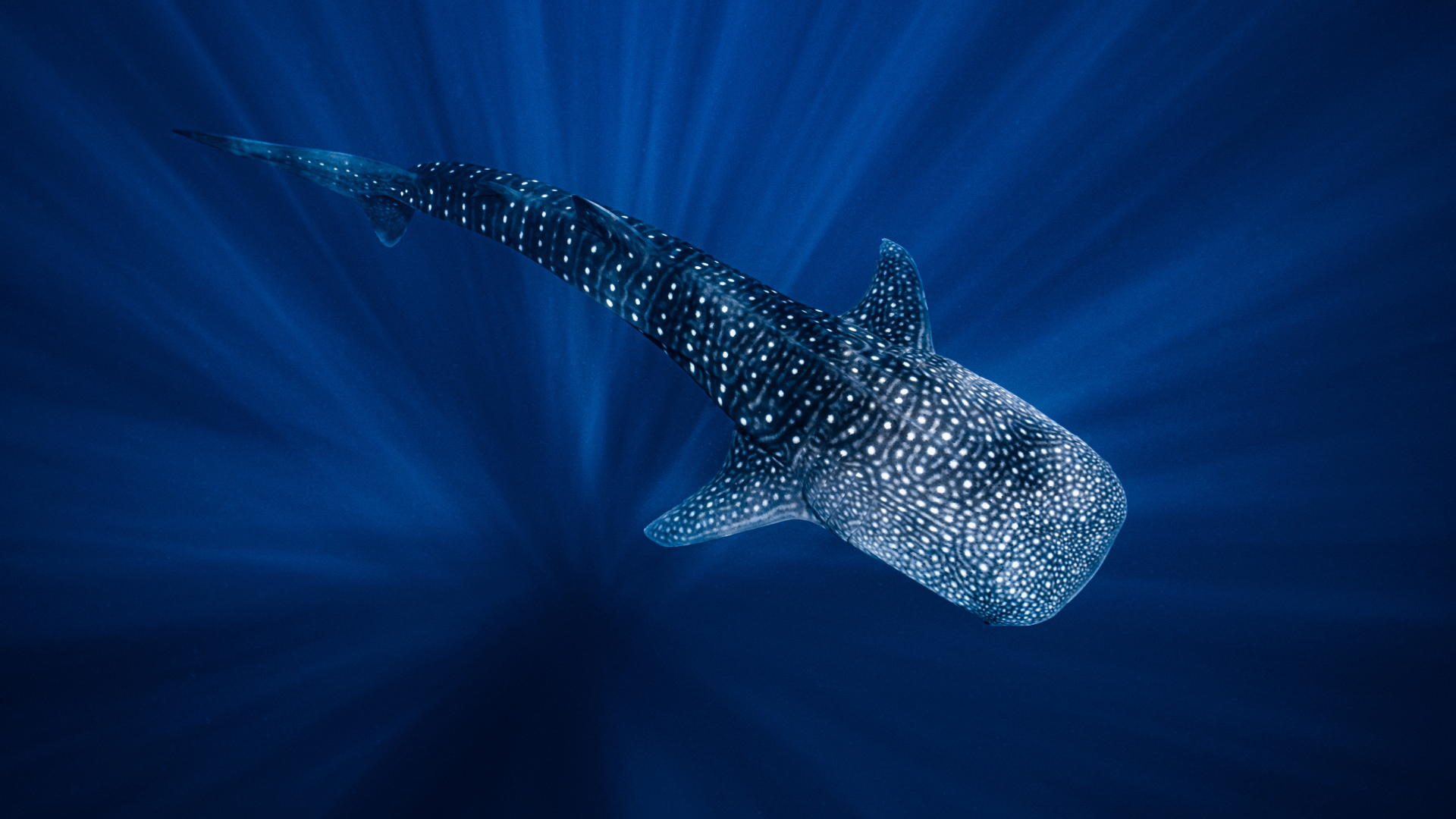
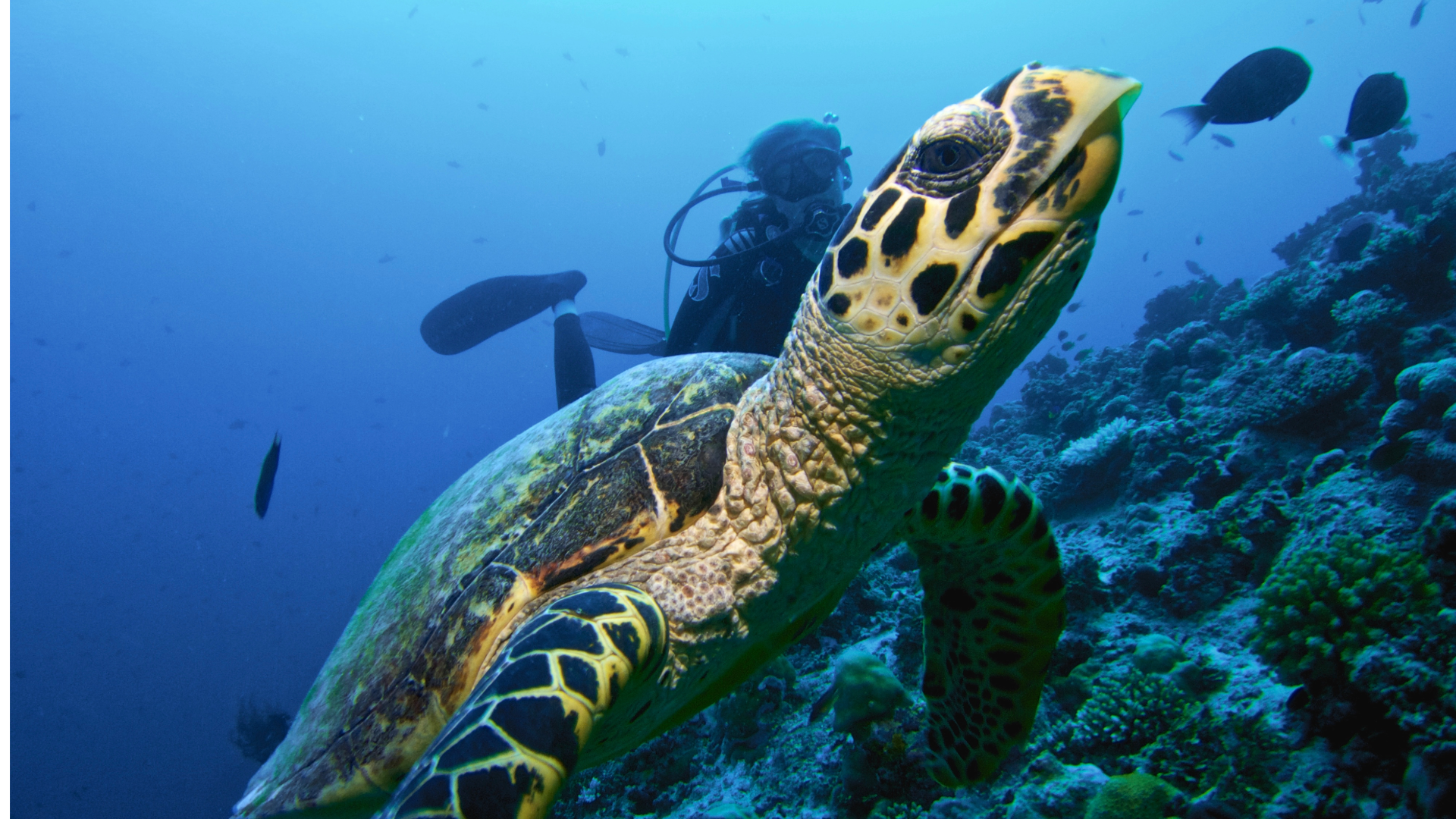
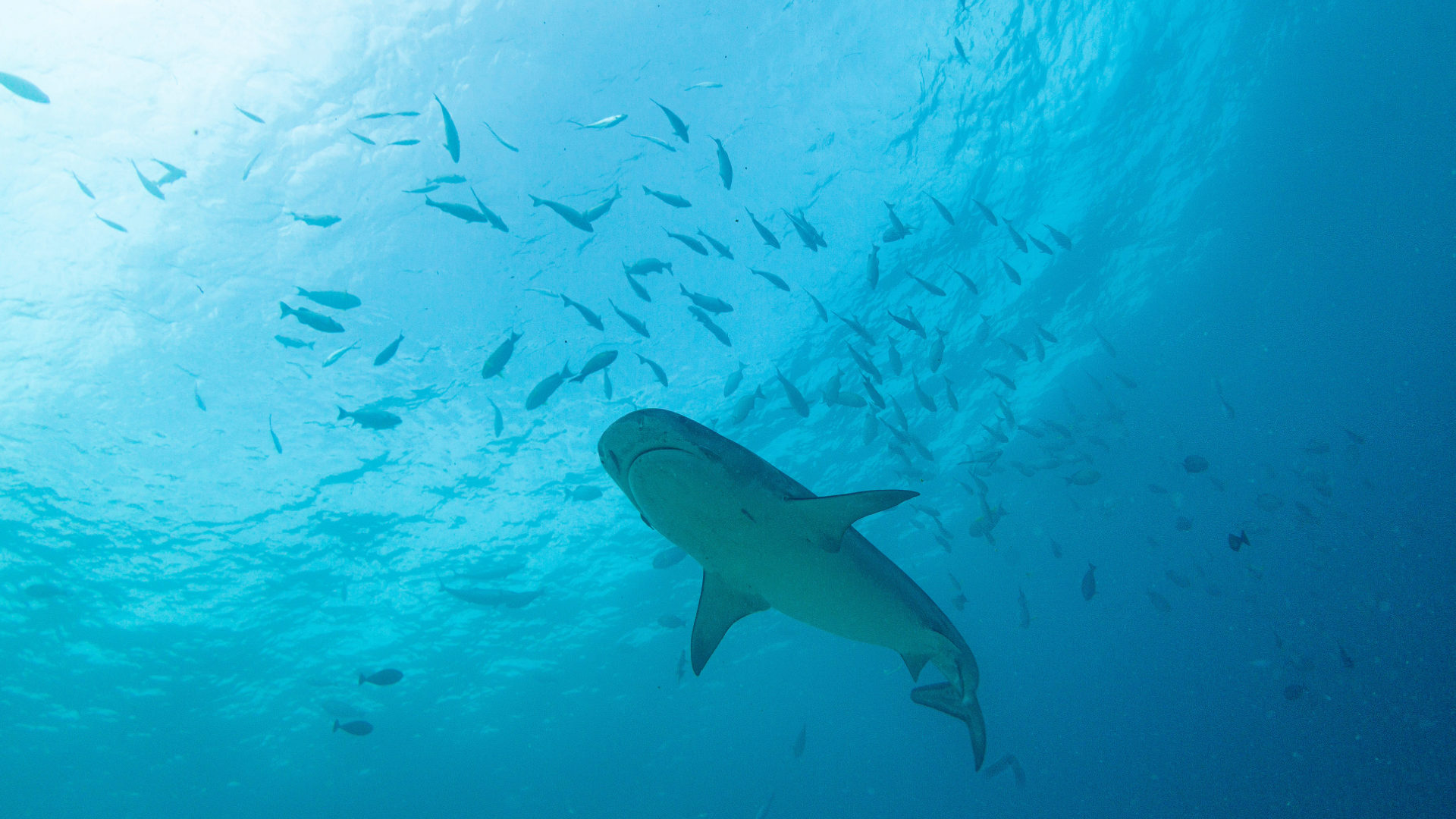
Beneath the surface lies one of the richest reef systems anywhere in the world, home to manta rays, whale sharks and hundreds of species of reef fish, while above it the country holds the record for the flattest nation on the planet, its islands rarely rising more than a few metres above the waterline. Malé and the central atolls offer a comfortable, well-connected starting point, with a small but growing marina infrastructure, while the northern and southern atolls remain some of the most untouched, remote cruising grounds available to charter guests today. Few destinations offer this much privacy, this much marine life, and this little need to ever leave the water.
Enquire about The Maldives →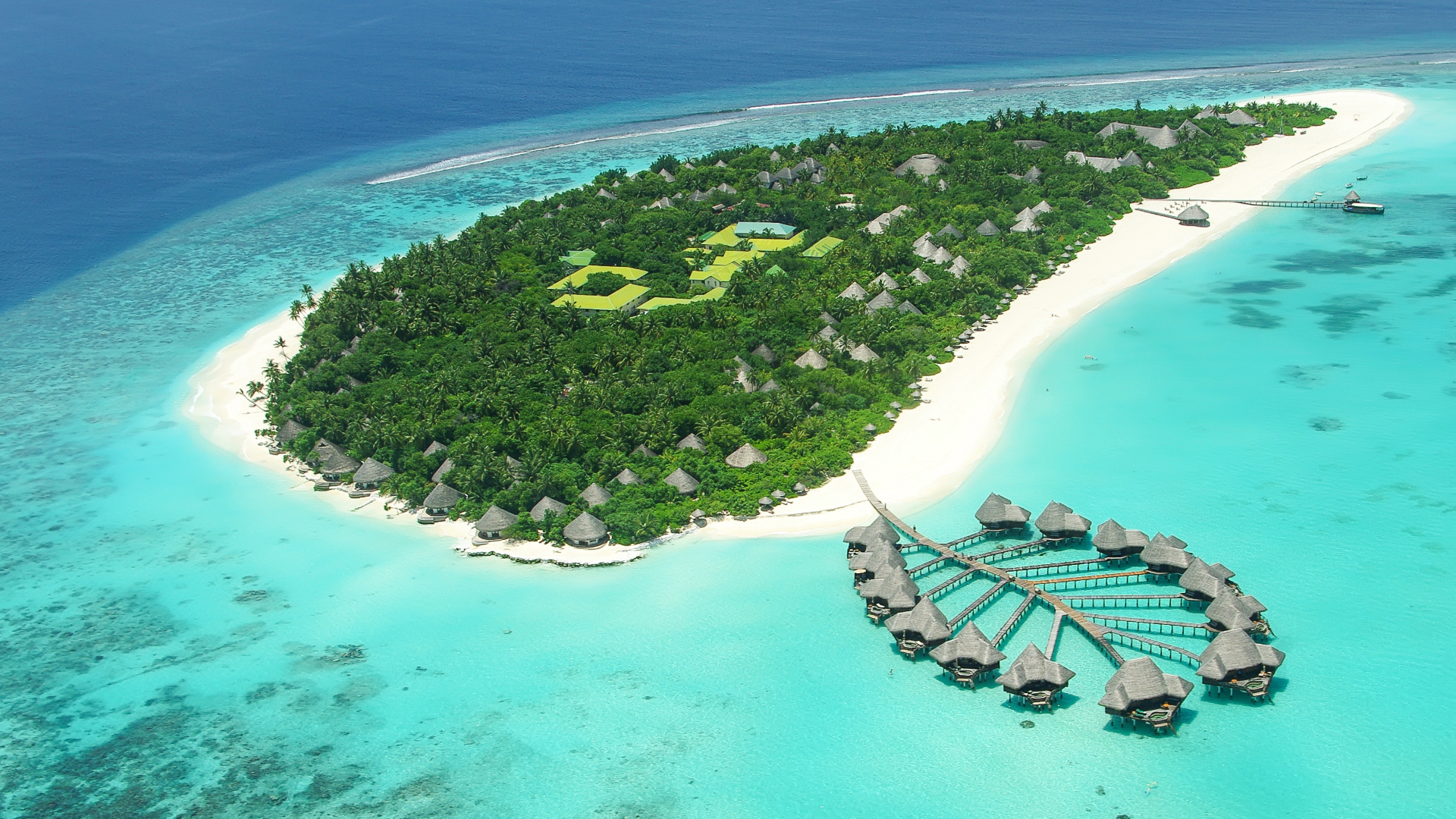
More in Asia
3 reasons The Maldives
belongs on your charter list
A destination built entirely around private, uninhabited islands
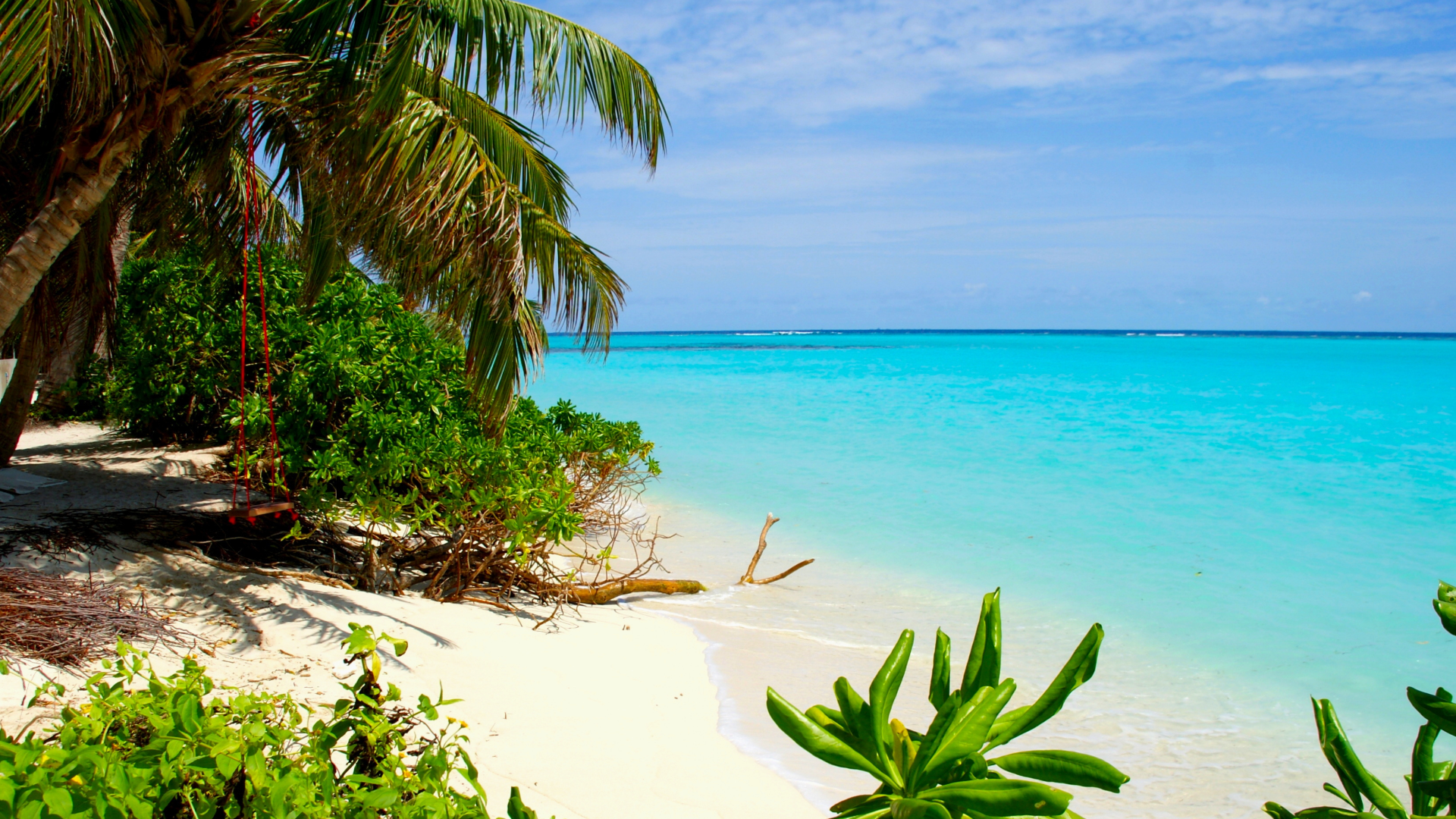
With roughly 1,000 islands scattered across 26 atolls and only around 200 inhabited, the Maldives offers a scale of privacy no other charter destination can match. Rather than sharing an anchorage or a beach, guests can drop anchor beside an entirely deserted island, walk its shoreline in minutes, and move on the next day to somewhere equally untouched. This isn't a rare treat here, it's the default, which is precisely what makes the Maldives so suited to a genuinely private charter experience.
Some of the richest, most accessible marine life in the Indian Ocean
The reefs surrounding the Maldives' atolls hold hundreds of species of coral and reef fish, but it's the pelagic life that sets this destination apart. Baa Atoll, a UNESCO World Biosphere Reserve, hosts the largest known aggregation of manta rays anywhere in the world, while whale sharks are a near year-round presence in Ari Atoll's waters. With visibility regularly exceeding 30 metres, this marine life is not just present, it's genuinely visible, making the Maldives as rewarding for snorkellers as it is for certified divers.
A cuisine shaped entirely by what the ocean provides
Maldivian food is built almost entirely on tuna, coconut and rice, with dishes like garudhiya (a clear fish broth) and huni roshi (coconut flatbread) reflecting centuries of island self-sufficiency. Add spice-heavy influences from Arab and South Indian traders, and the result is a cuisine that's distinct from anywhere else in South Asia, bold, fresh and rarely found outside the islands themselves. For guests interested in food as much as scenery, it's a genuinely different culinary experience from neighbouring Sri Lanka or India.
Selected Yachts for The Maldives Charter
View full fleet →


The places that
define The Maldives
Planning your The Maldives voyage
Peak Season (Dry Season)
The northeast monsoon brings calm seas, light winds and the clearest water of the year, with December to March considered the most consistent stretch for cruising between atolls. Excellent visibility makes this the prime window for diving and snorkelling, and also the busiest period for yacht and marina availability, particularly over the December holidays.
Shoulder Season
Transitional months between monsoons bring a mix of conditions, warm and increasingly humid with a higher chance of short, passing showers, though rarely prolonged. Quieter anchorages and more flexible rates make this a good window for guests prioritising a quieter charter over guaranteed calm seas.
Southwest Monsoon
The wet season brings higher humidity, stronger winds and more frequent rainfall, though showers on these low-lying islands tend to pass quickly rather than settle in for the day. This period also coincides with some of the best wildlife viewing of the year, including the seasonal manta ray and whale shark aggregations in Baa Atoll's Hanifaru Bay.

What our charter specialists say about the Malaysia?
How much does a yacht charter cost in the Maldives?
The cost of a Maldives yacht charter varies considerably depending on the yacht, itinerary, duration and level of service, and reflects the scale of vessel and crew required to explore such a remote archipelago. Swisspath | TAG Yachting specialises in luxury crewed charters, so pricing is bespoke to each itinerary rather than fixed. Our charter specialists provide a private, tailored quotation once we understand your preferred atolls and dates.
What is the best time of year to charter a yacht in the Maldives?
November to April is the best time to charter a yacht in the Maldives, when the northeast monsoon brings calm seas, light winds and the clearest water of the year, with December to March considered the most consistent stretch for cruising between atolls. The Maldives lies outside the cyclone belt, so charters remain possible year-round, though the wet season (May–October) brings more frequent, if usually brief, rainfall and choppier conditions.
Do I need a liveaboard or a private yacht charter to explore the Maldives?
A private yacht charter and a liveaboard are different experiences: liveaboards follow a fixed, often dive-focused itinerary shared with other guests, while a private charter is fully customised to your chosen atolls, pace and level of service. Swisspath | TAG Yachting focuses exclusively on private, crewed luxury charters, giving guests full control over their route, from central atolls close to Malé to more remote regions further north or south.
How many days do you need for a Maldives yacht charter?
Most Maldives yacht charters run five to ten days, enough time to explore two or three neighbouring atolls at a relaxed pace, such as North and South Malé combined with Ari or Vaavu. Longer charters of two weeks or more allow guests to reach more remote regions such as Baa, Noonu or the southern atolls, without feeling rushed between anchorages.
When is the best time to see manta rays and whale sharks in the Maldives?
Whale sharks can be seen in Maldivian waters almost year-round, particularly around Ari Atoll, while the largest manta ray aggregations occur seasonally in Baa Atoll's Hanifaru Bay, typically peaking between June and November during the southwest monsoon. This means the very best wildlife viewing doesn't always align with the calmest cruising conditions, so charter itineraries are often planned around whichever priority, weather or marine life, matters most to the guest.
Do you need diving experience to charter a yacht in the Maldives?
No, diving experience is not required for a Maldives yacht charter, as the clear, shallow lagoons and reef edges offer excellent snorkelling for guests of any experience level. For those who do wish to dive, crews can arrange certified dive guides and equipment, with beginner-friendly sites available alongside more advanced channels such as Vaavu Atoll's Fotteyo Kandu
Is the Maldives a good yacht charter destination for families?
Yes, the Maldives is well suited to family charters thanks to its calm, sheltered lagoons, short distances between islands and abundance of gentle, accessible marine life for snorkelling. Many itineraries combine livelier central atolls, with resort-style amenities nearby, alongside quieter days anchored off private islands, giving families flexibility to balance activity with rest.
What is the difference between the northern and southern atolls of the Maldives?
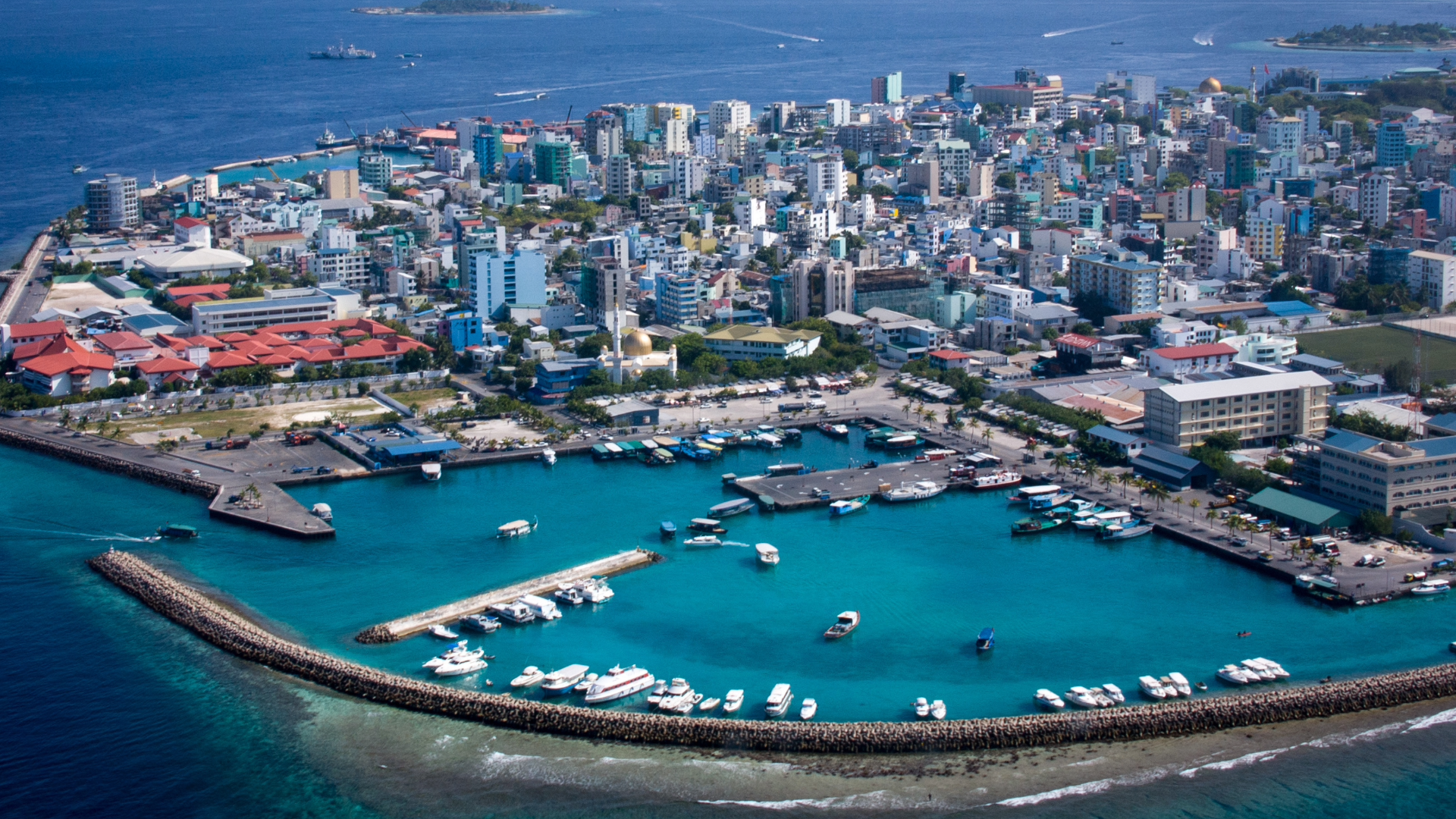
The central atolls around Malé and Ari offer the most developed infrastructure, shortest transfer times and widest choice of resorts and dive sites, making them the standard focus for most charters. The northern atolls, such as Baa, Noonu and Raa, and the southern atolls, such as Addu and Fuvahmulah, are more remote, less visited and offer a stronger sense of untouched cruising, though they typically require a longer charter or additional transfer time to reach.
Do I need a visa to charter a yacht in the Maldives?
Most visitors, including nearly all Western passport holders, can enter the Maldives visa-free and receive a 30- to 90-day tourist visa on arrival, depending on nationality. Foreign-flagged yachts are required to appoint a local agent and clear in through an official port of entry, such as Malé, Uligamu or Gan, and our charter specialists handle these arrangements as part of planning your itinerary.
Can you charter a superyacht in the Maldives?
Yes, the Maldives has a small but growing superyacht infrastructure, including the country's only dedicated superyacht marina at Crossroads Maldives in South Malé Atoll. Yachts over 15 metres planning to stay longer than 15 days are required to hold a cruising permit, which our team can arrange in advance as part of your charter planning.