





Singapore
Where the Far East meets the future, from the water
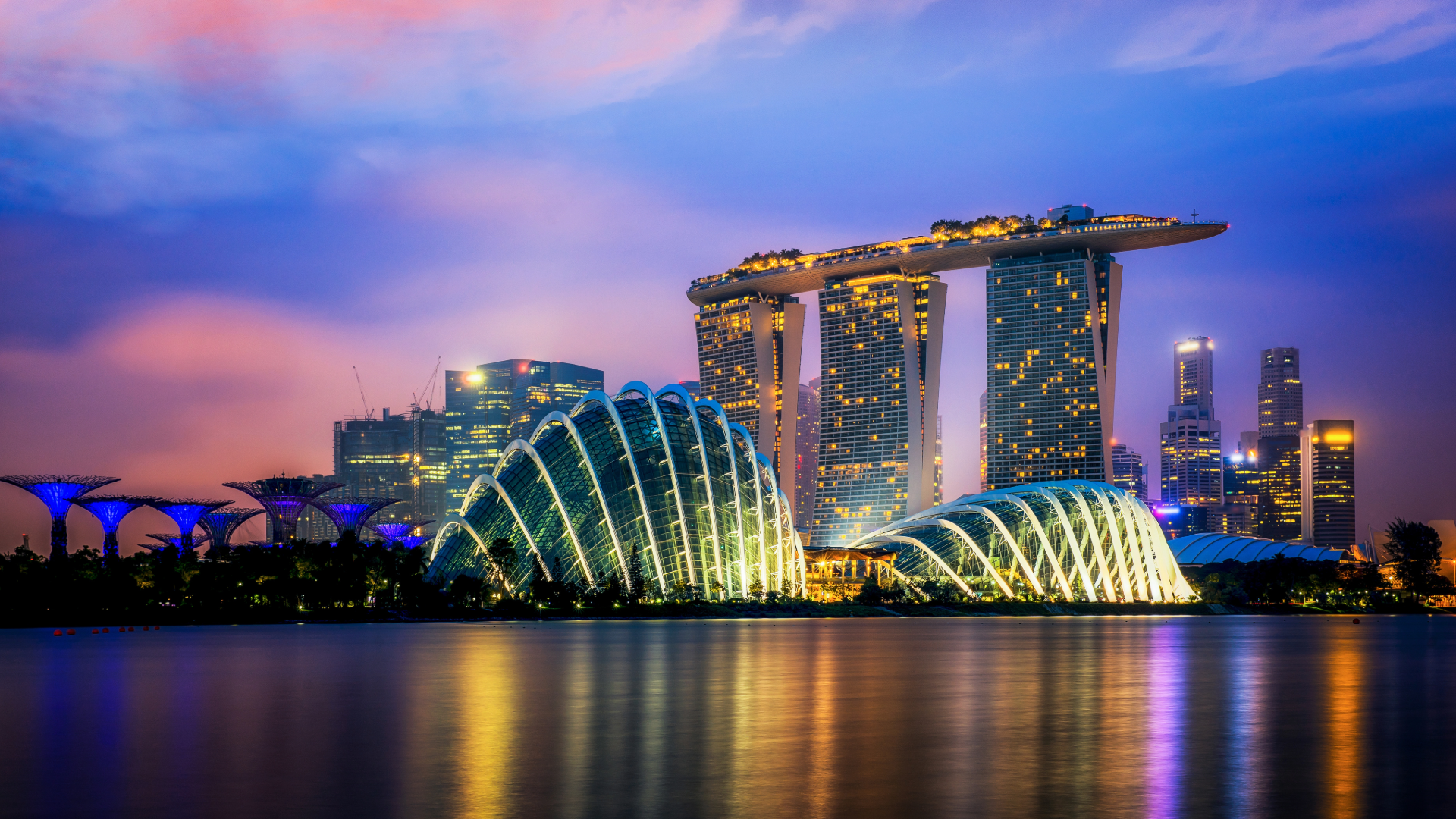
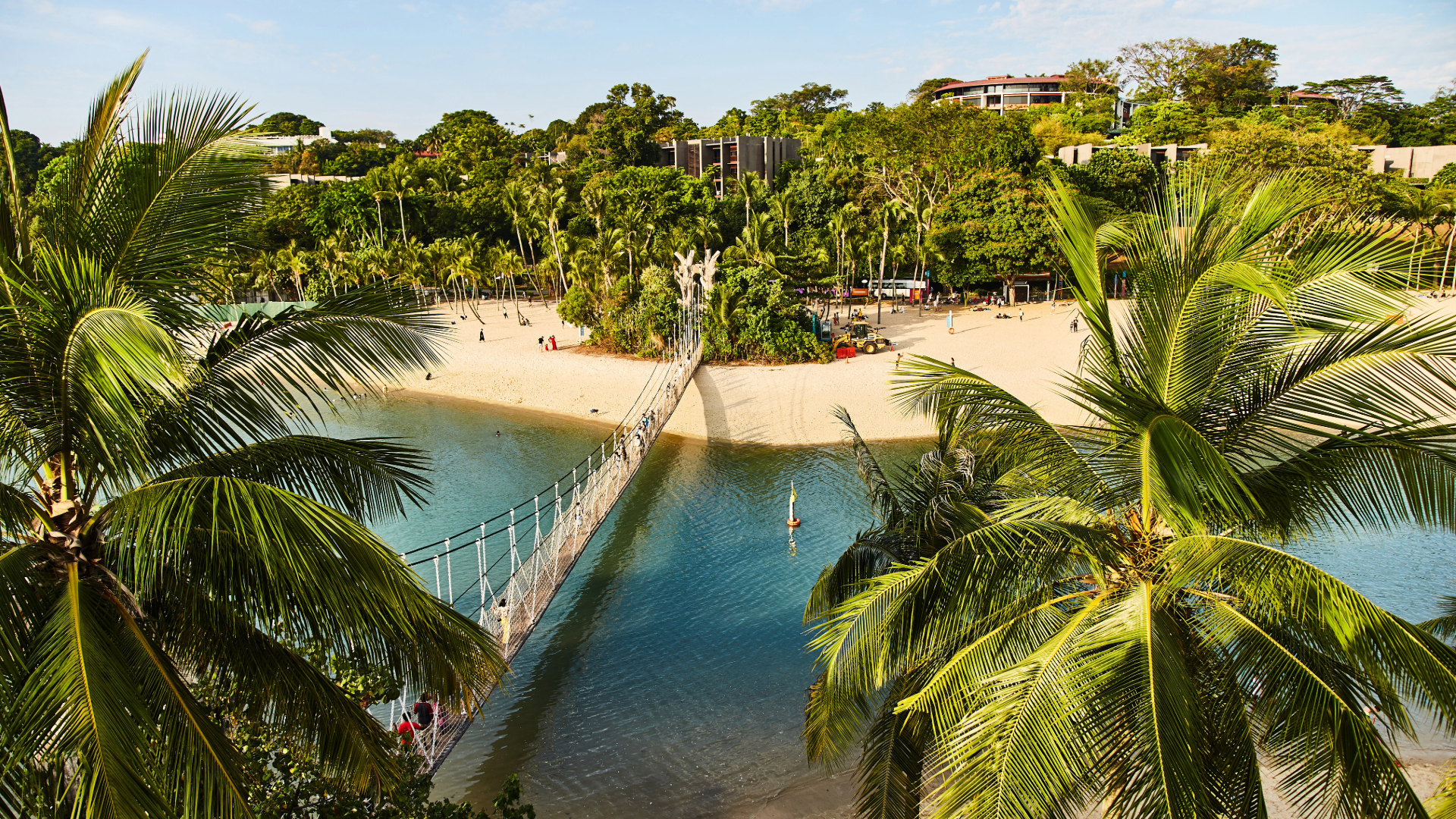
Enquire Now →Singapore occupies a singular position on the global yachting map, a city-state where gleaming modern architecture, deep maritime heritage, and access to some of Southeast Asia's most compelling cruising grounds converge in a single, immaculately run harbour. This is one of the world's great port cities, and it shows: the marinas are world-class, the infrastructure faultless, and the skyline, Marina Bay Sands, the Gardens by the Bay, the container ships queued along the Strait, offers a backdrop unlike anywhere else in the charter world. Beyond the city itself, Singapore serves as the natural gateway to the islands of Indonesia's Riau Archipelago, just a short sail across the strait, where an entirely different, more traditional Southeast Asia awaits. Sentosa Island provides a resort-style counterpoint within the city's own waters, with beach clubs, marinas, and a more relaxed pace than the downtown core. For those seeking a charter that combines urban sophistication with genuine cultural and geographic contrast, few destinations in the world offer it as efficiently as Singapore.
Enquire about Singapore →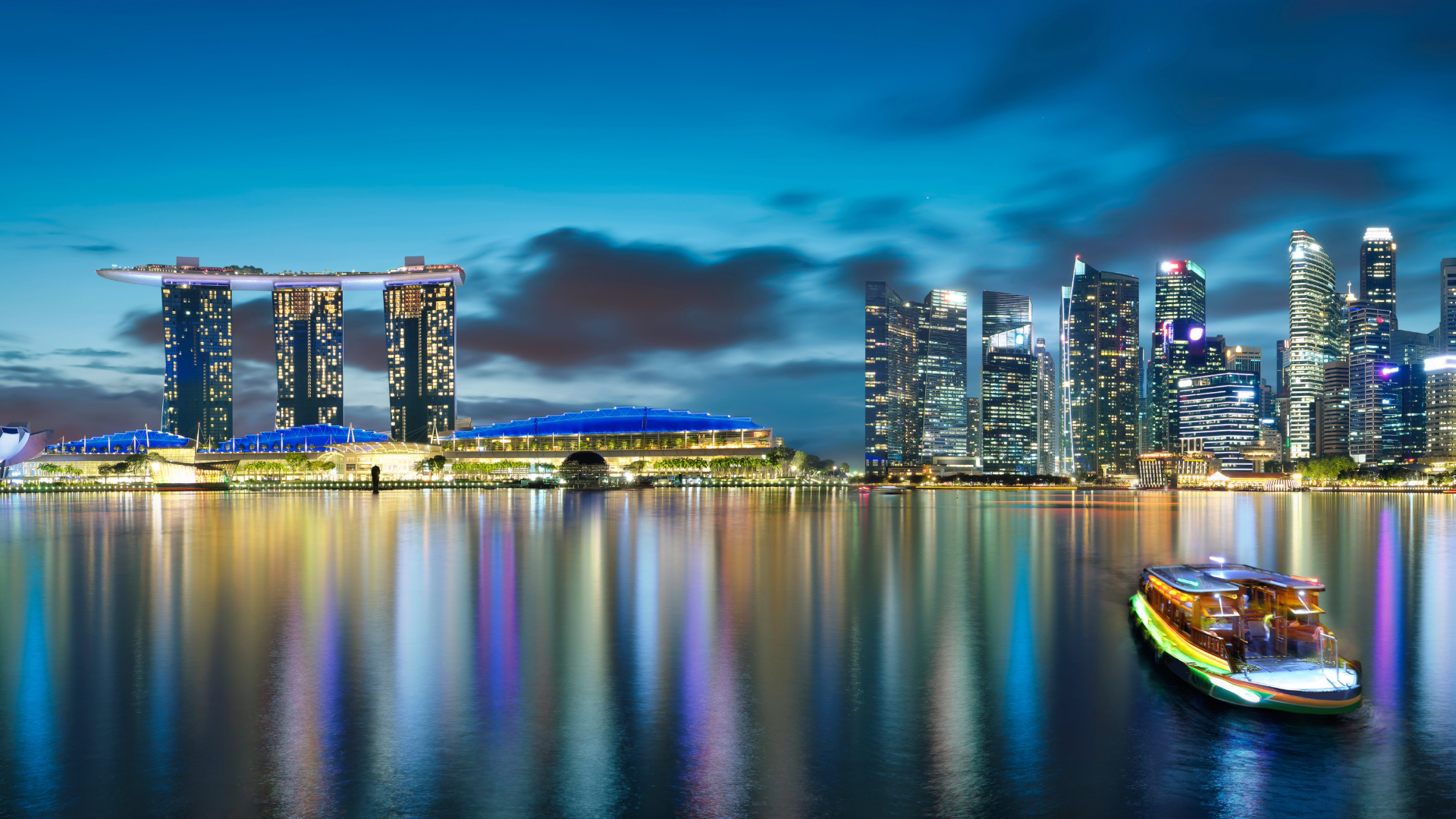
More in Asia
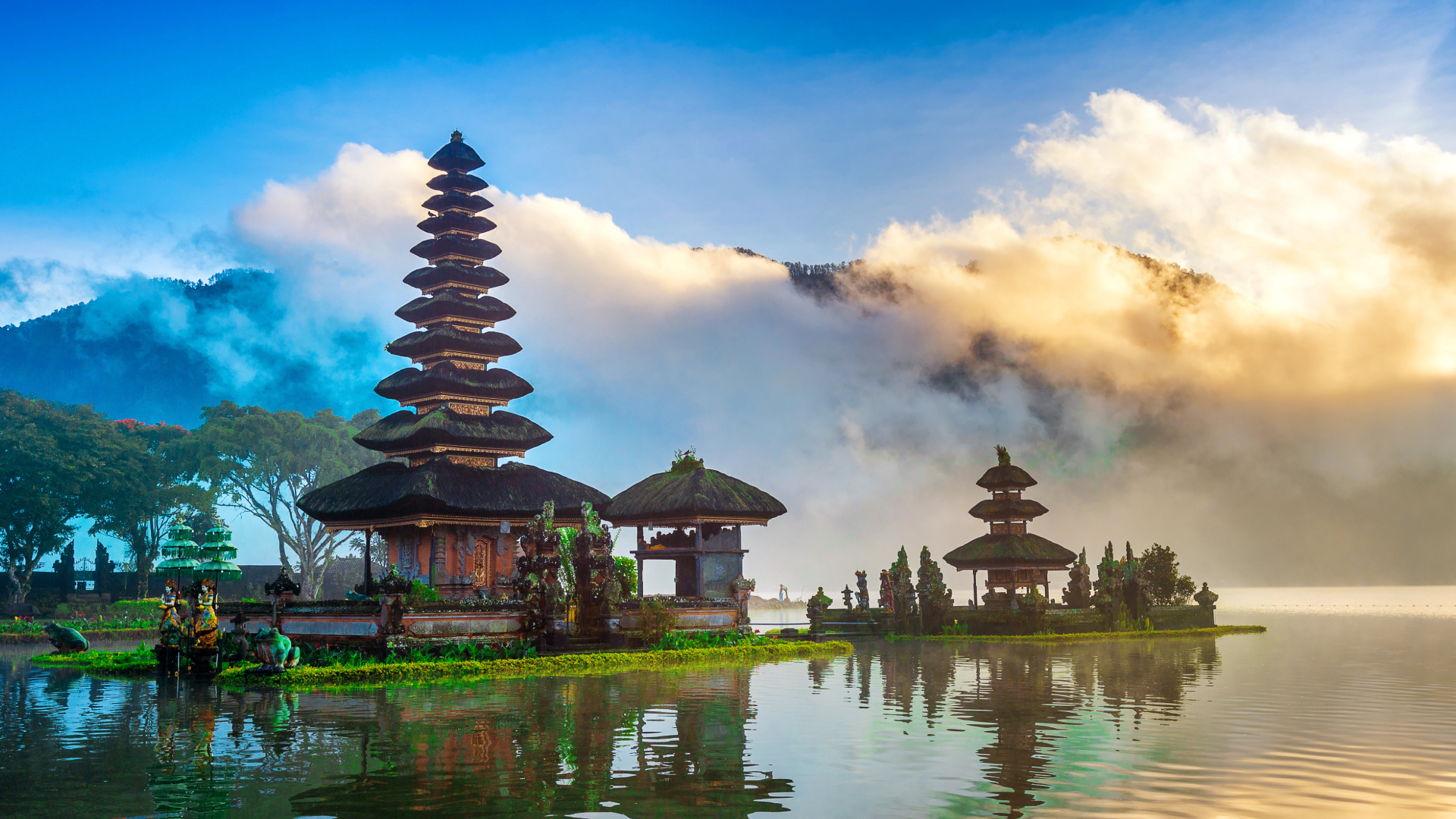
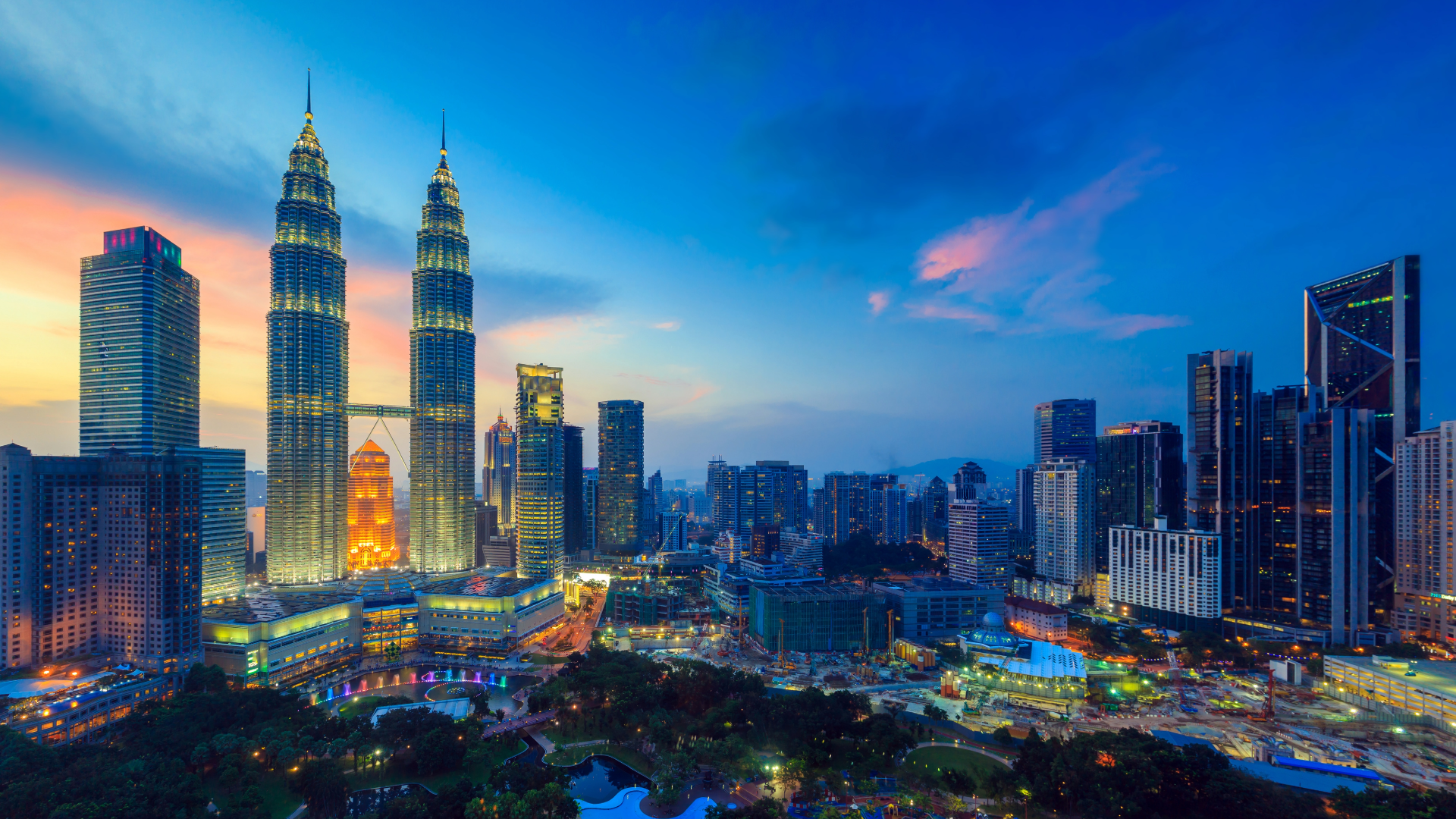
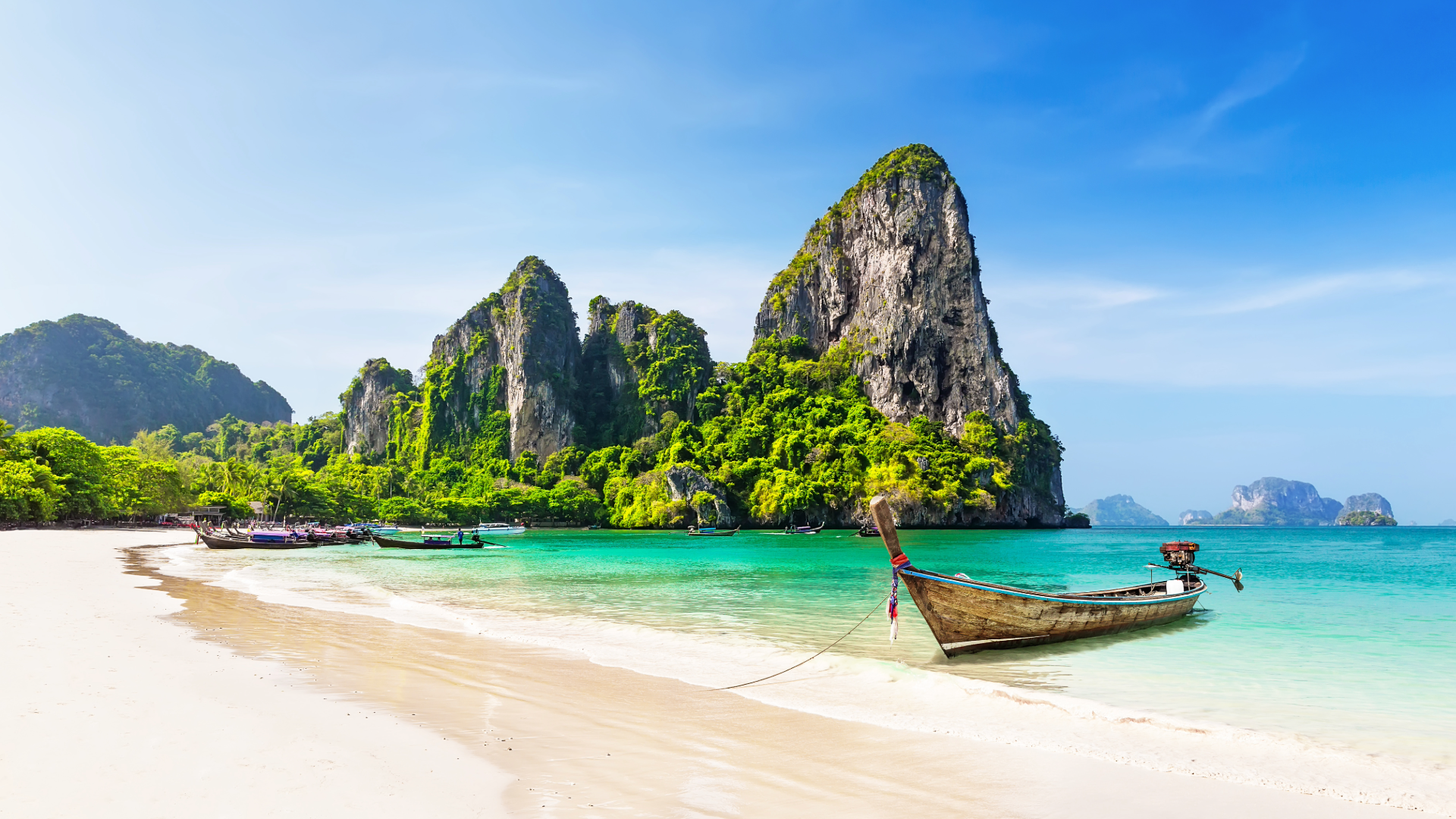
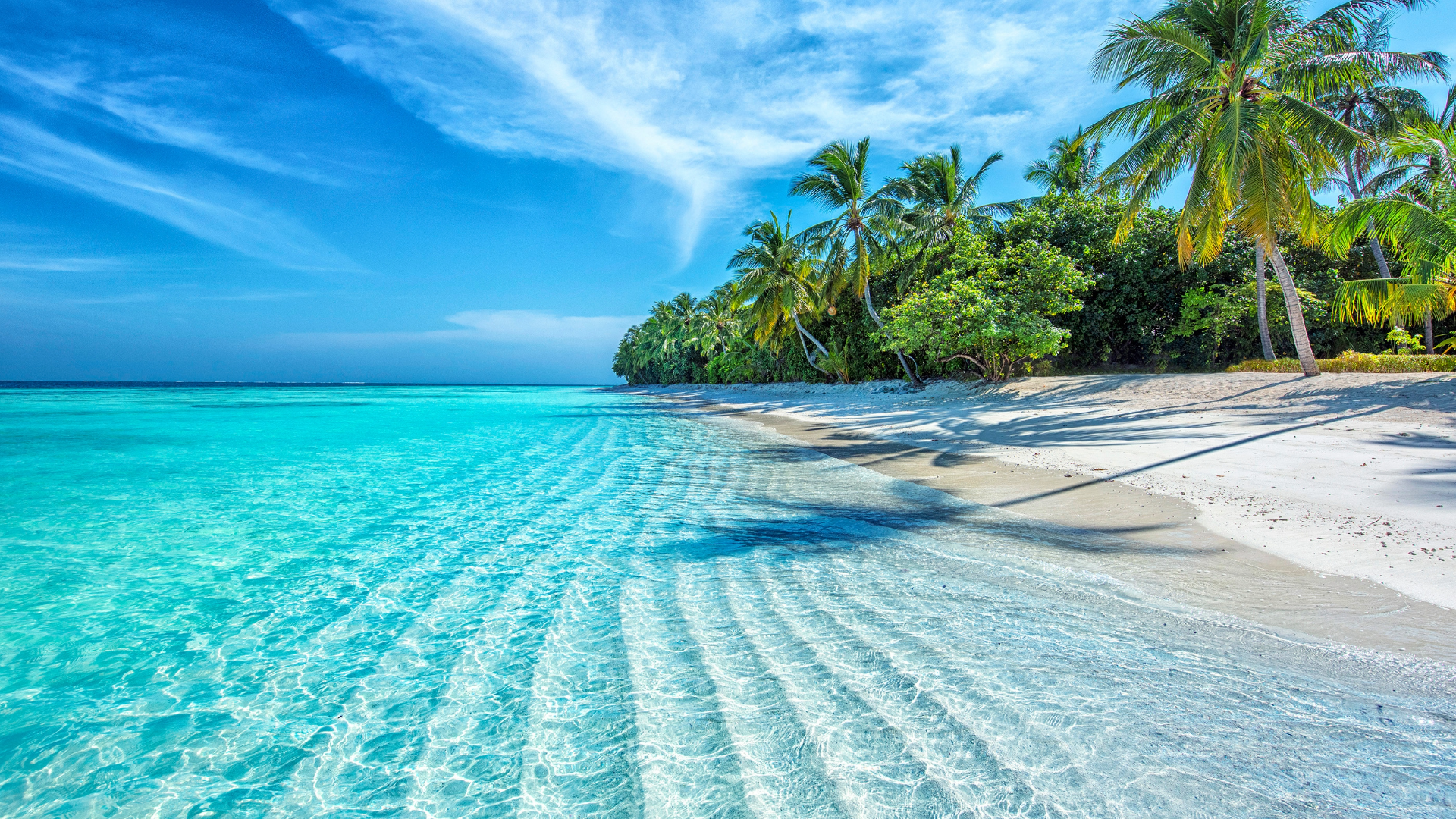
3 reasons Singapore
belongs on your charter list
The world's busiest port as a charter base
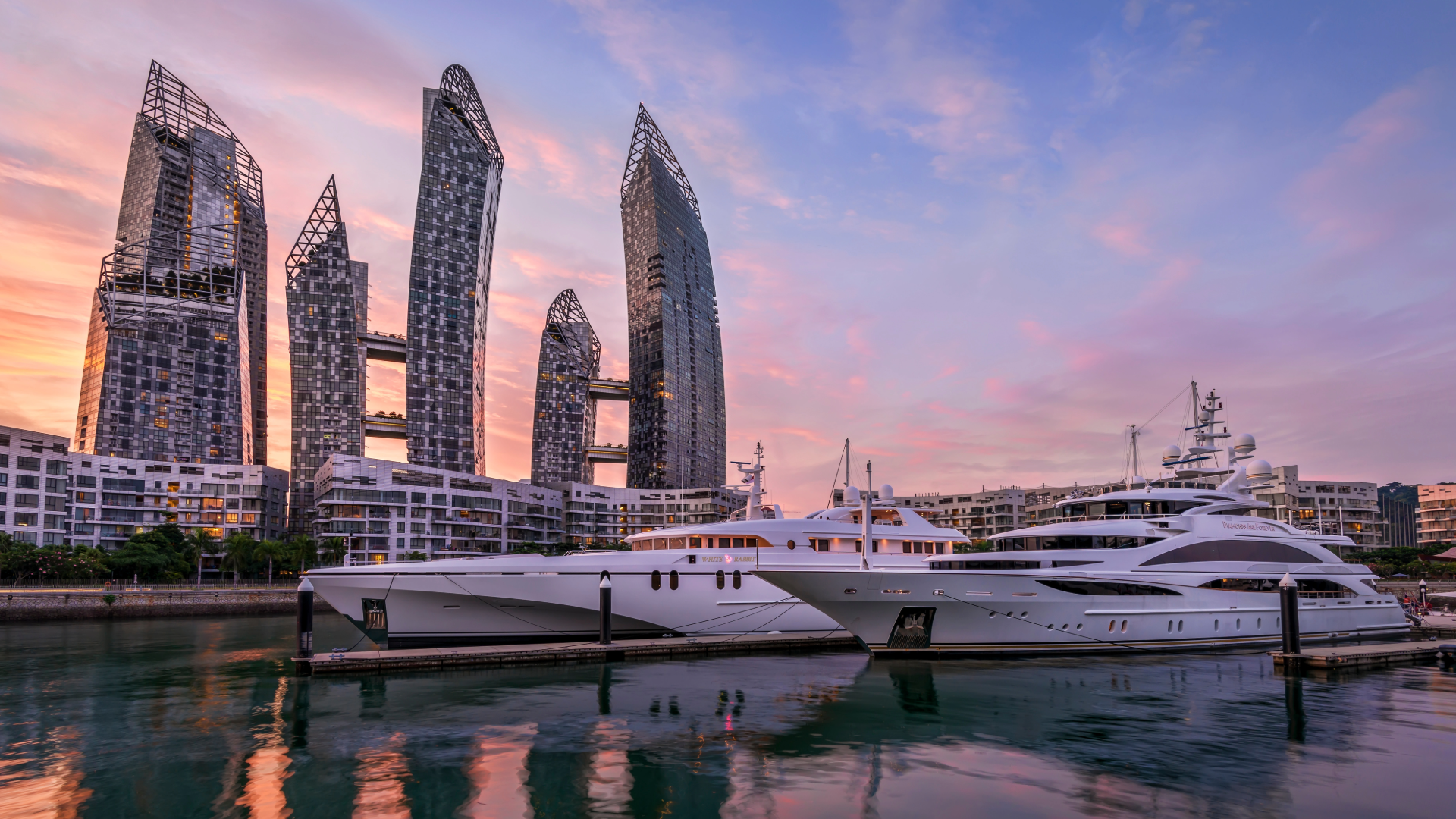
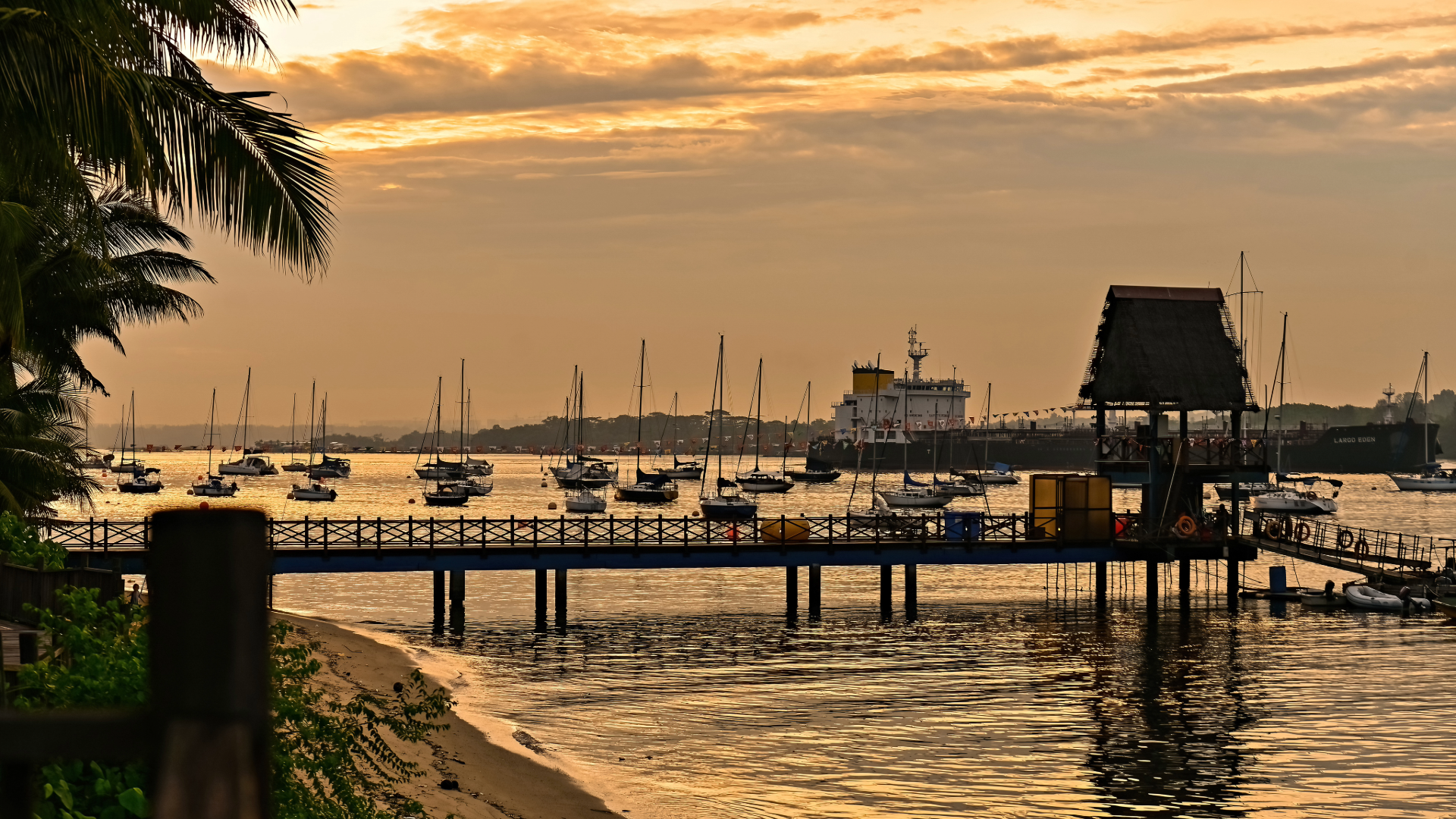
Singapore handles over 130,000 vessel movements annually, more than any port on Earth. This concentration of maritime traffic translates to infrastructure, expertise, and services that smaller Southeast Asian ports cannot provide. Keppel Marina offers 350 berths with haul-out facilities to 750 tonnes; Raffles Marina provides 650 berths with similar specifications. The port authority maintains real-time vessel tracking, weather routing, and navigational data to international standards. Provisioning suppliers, technical services, and crew agencies operate at scale, you can source everything from Italian provisions to Japanese marine electronics within hours, not days. For guests planning extended passages in Southeast Asian waters or requiring serious technical work, Singapore functions as the region's only truly dependable hub.
The gateway between three nations and three cruising paradigms
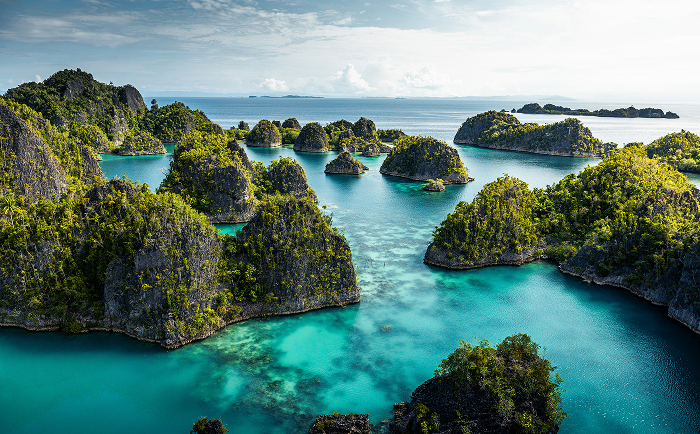
Singapore's position at the southern tip of the Malaysian Peninsula, facing the Indonesian archipelago across the Strait of Malacca, creates proximity to radically different cruising grounds. Langkawi, in northern Malaysia, is 330 nautical miles north, a two-day passage delivering resort islands, luxury beach clubs, and established marina infrastructure. The Riau Islands, 150 nautical miles southwest in Indonesian waters, bring scattered anchorages, smaller development, and the kind of undiscovered coves rarely found this close to a major port. Thailand's Andaman coast and Phuket, 500 nautical miles north, require a longer passage but deliver the limestone geology and island density of Phang Nga Bay. For guests measuring a charter by regional range rather than single-destination depth, Singapore offers access to three distinct nautical cultures within a week's cruising.
Year-round operations in a region that shuts down
The northeast monsoon (November-March) and southwest monsoon (May-September) dictate the sailing calendar for much of Southeast Asia. Ports and resort islands close seasonally, crew services reduce, and provisioning becomes unreliable. Singapore does not. The port authority operates year-round, with breakwaters and dredging designed to handle both monsoon seasons. Keppel and Raffles Marinas maintain full services regardless of weather. Customs clearance, fuel, water, and technical services function continuously. For guests seeking a Southeast Asian base that operates with the consistency of a Mediterranean marina, Singapore is the only option. The surrounding waters remain navigable year-round, the monsoons dictate wind direction more than accessibility, and modern yachts can navigate either condition.
Selected Yachts for Singapore Charter
View full fleet →


The places that
define Singapore



Planning your Singapore voyage
Peak Season (Dry Season)
Northeast monsoon brings consistent winds and drier conditions. This is the established cruising season for Singapore-based yachts, with lower rainfall and calmer seas for passages to Malaysia and Indonesia. Water temperature 24-26°C. Langkawi and Malaysian island charters operate at full capacity.
Shoulder Season
Monsoon transitions bring variable winds and occasional heavy rainfall. Marina services continue uninterrupted, though cruising conditions become less reliable. Reduced activity, lower rates, and a quieter marina environment.
Southwest Monsoon
Stronger winds and heavier rainfall, though Singapore's modern port infrastructure handles both conditions. Marina services remain operational; most cruising activity shifts north to Malaysia and Thailand. Year-round operations in the harbour mean this is a viable base even in peak monsoon months, unlike traditional Southeast Asian resort ports.

What our charter specialists say about Singapore
Is Singapore a destination in itself, or a base for regional cruising?
Singapore functions primarily as a logistics hub and staging point rather than a cruise destination unto itself. The city-state occupies 719 square kilometres, and the waters immediately around it are among the world's busiest shipping lanes — more recreational value comes from using Singapore as a departure point for regional cruising than from anchoring within Singapore Strait itself. Most charters either use Singapore as a two-to-three-day provisioning and refitting stop before departing for longer passages, or base extended itineraries out of Keppel or Raffles Marina and conduct day trips to Malaysian resort islands (Langkawi, 330 nautical miles north) or the Riau Islands in Indonesia (150 nautical miles southwest). For guests measuring a charter by beach time and island-hopping, Singapore works better as a gateway. For those planning technical work, provisioning for longer passages, or accessing Southeast Asian waters, it is unrivalled.
What are the main cruising areas accessible from Singapore?
Three distinct regions are within reach. Langkawi and Malaysia's west coast — 330 nautical miles north — delivers established resort islands, duty-free shopping, and developed marina infrastructure at Port Langkawi. The Riau Islands in Indonesian waters, 150 nautical miles southwest, bring scattered anchorages, smaller islands, and fewer crowds. Thailand's Andaman coast and Phuket, 500+ nautical miles north, offer the limestone geology of Phang Nga Bay and extended passages into the Andaman Sea. Passages further west toward the Maldives, Indian Ocean, and beyond depart from Singapore regularly. Most week-long charters from Singapore either circle the Riau Islands, make the passage to Langkawi, or combine Singapore provisioning with longer Southeast Asian itineraries that span multiple nations.
How do monsoon seasons affect charter planning in Singapore?
Singapore is one of the few Southeast Asian ports that operates reliably year-round, making it distinct from seasonal resort destinations. The northeast monsoon (November-March) brings drier conditions and consistent winds, the established cruising season when passages to Malaysia and Thailand are most comfortable. The southwest monsoon (May-September) brings stronger winds and heavier rainfall, making longer passages more challenging, though year-round port operations mean provisioning and refitting continue without interruption. Unlike Thai resort islands that close seasonally or Indonesian ports with limited services in monsoon months, Singapore's port authority maintains 24/7 operations, full marina services, and navigational infrastructure regardless of season. This makes Singapore viable as a base even when sailing conditions elsewhere in Southeast Asia are marginal.
What time of year should I plan a Singapore charter?
November through March offers the most reliable cruising conditions, the northeast monsoon delivers consistent winds, drier weather, and calmer seas for passages to Malaysia and Thailand. This is peak season, so advance booking (four to six months) is advisable. June through August, the southwest monsoon season, brings stronger winds and heavier rainfall, making longer passages less comfortable, though provisioning and port operations continue uninterrupted. April, May, September, and October are transitional months with variable conditions and reduced activity. For guests prioritising comfortable sailing and established infrastructure, November-March is ideal. For those seeking quieter marinas and reduced rates, shoulder seasons offer workable conditions if passages remain short.
Do I need special visas or permits to chart in Singapore and visit Malaysia and Indonesia?
Visa requirements depend on your nationality. Most Western nationals receive 90-day visitor status in Singapore upon arrival without advance paperwork. Malaysia typically grants 90-day tourist visas on arrival for most nationalities. Indonesia requires advance visas (30-day tourist visa available on arrival for many nationalities, or longer tourist visas arranged beforehand). Your charter operator or crew can advise on specific requirements based on your passport. Yacht clearance into Malaysian and Indonesian territorial waters requires separate permits from those countries' authorities, but Singapore port authority can facilitate and guide the process. English is the language of maritime administration in Singapore, Malaysia, and increasingly in Indonesian tourist areas, reducing communication barriers. Plan for two to three additional days at the start of a charter for visa processing and official clearance if travelling from countries requiring advance documentation.